A practical regional guide

Western Sichuan Travel Guide

Plan a journey through high mountain landscapes, wide valleys, grasslands and Tibetan-influenced towns. Compare route options, understand altitude and seasonal conditions, and prepare for the realities of travelling through Western Sichuan.

Explore Route Options

Before you choose a route

What to Know About Travelling in Western Sichuan

Western Sichuan is a large and geographically varied region, not a single compact sightseeing area. Distances can be long, roads climb through high passes, and conditions change with altitude, weather and season. Start by deciding how many days you have and which landscapes interest you most.

Long-distance routes

Build the itinerary around realistic driving times and overnight stops.

High altitude

Allow time to acclimatize and avoid rushing to higher elevations.

Seasonal conditions

Weather, road conditions and scenery vary significantly through the year.

Independent travel

Prepare for changing road conditions, limited services and flexible schedules.

Understand the region

A Landscape of Mountains, Valleys and Plateau Towns

Western Sichuan includes several distinct travel environments, from mountain valleys closer to the Sichuan Basin to high plateau landscapes farther west. A route may pass through forested slopes, alpine meadows, snow-covered peaks, rivers and settlements with strong Tibetan cultural influences.

Because the region is extensive, avoid treating every destination as a quick side trip from Chengdu. Choose a geographic corridor and give it enough time. This usually creates a more comfortable journey than connecting too many distant places in a few days.

Respect local communities and customs

Visitors may encounter Tibetan Buddhist monasteries, prayer flags, local markets and traditional settlements. Be considerate when photographing people or religious sites, follow posted rules, and ask permission where appropriate.

Snow-covered mountain peaks rising above a mountain valley

Choose a travel style

Western Sichuan Route Options

These are broad planning patterns, not fixed day-by-day itineraries. Adjust routing for season, road conditions, altitude response, accommodation availability and your starting point.

Shorter mountain escape

Chengdu – Kangding – Xinduqiao

A popular introduction to mountain scenery west of Chengdu, with high passes, open valleys and broad plateau-style landscapes.

  • Useful for a shorter regional trip
  • Allow time for the mountain road journey
  • Check pass and weather conditions
Mountain scenery focus

Chengdu – Mount Siguniang Area

A route for travellers interested in dramatic peaks, alpine valleys and outdoor scenery. Choose valley visits and walking options according to fitness and conditions.

  • Suitable for nature and photography interests
  • Plan local transfers and park access
  • Do not underestimate altitude
Longer plateau journey

Western Sichuan – Daocheng Yading

A longer journey into high-altitude landscapes, with demanding transfers and a need for careful acclimatization and schedule flexibility.

  • Better with sufficient days available
  • Build in rest and contingency time
  • Prepare for high-altitude walking
Route-planning principle: Do not estimate a mountain journey by straight-line distance alone. Road alignment, elevation changes, construction, weather and traffic can make actual travel much longer than a map suggests.

Two well-known destinations

Landscapes to Consider in Western Sichuan

These destinations are part of the wider regional picture. Use their dedicated guides for detailed attraction information rather than trying to cover every site in this regional overview.

High mountain landscape with open alpine scenery

Daocheng Yading

Known for sacred mountain scenery, alpine lakes and high-altitude trekking environments. Plan carefully for elevation, walking distances and weather.

Explore Daocheng Yading →
Rugged snow-covered mountain range

Mount Siguniang

A mountain area associated with striking peaks, valleys and outdoor activities. Choose the right valley and walking plan for your available time and experience.

Explore Mount Siguniang →
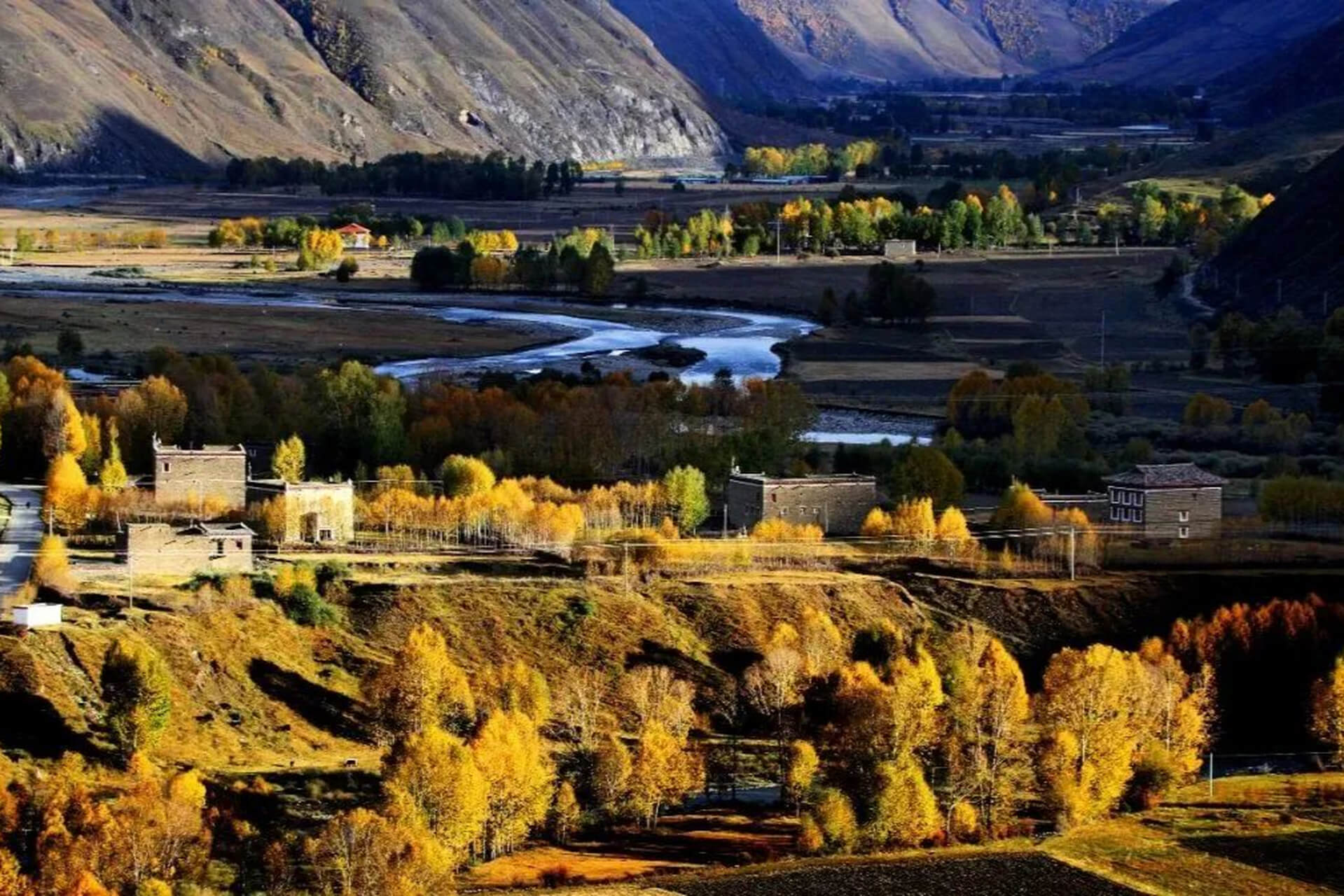
Mountain grassland and river

Xinduqiao and the Scenic Roads

Xinduqiao is often included in western Sichuan road trips for its open valleys, mountain views and changing light. Treat it as part of a wider route, not a guaranteed quick stop.

A key part of trip preparation

Altitude: Plan Gradually, Not Aggressively

Altitude is one of the most important practical considerations in Western Sichuan. Some routes climb quickly from lower-elevation cities to high passes and plateau destinations. People respond differently, and physical fitness does not guarantee protection from altitude illness.

Build a gradual ascent where possible, keep the first days flexible, avoid strenuous activity immediately after reaching a higher elevation, and seek medical advice before travel if you have relevant health concerns. If symptoms become severe or worsen, descend and seek medical help.

Read the Altitude Guide
Ascend graduallyAvoid unnecessary rapid gains in sleeping altitude.
Keep the first day lightRest and observe how you feel after arriving.
Know warning signsDo not ignore worsening headache, nausea, dizziness or unusual fatigue.
Have a fallback planAllow schedule flexibility to rest or descend if needed.

Match the route to the season

When to Visit Western Sichuan

There is no single best season for every route. Conditions differ between valleys, mountain passes and high-altitude destinations, and the same month can bring different weather at different elevations.

Spring

Some lower areas begin to warm, while higher routes may still have cold conditions or lingering snow. Check access and road reports before departure.

Summer

Mountain scenery is often lush, but rain can affect visibility, road conditions and travel times. Keep buffer time and avoid overpacked schedules.

Autumn

Often attractive for clear days and changing foliage in suitable areas. Popular destinations can be busy, so arrange transport and accommodation ahead.

Winter

Cold temperatures, snow and ice can make some routes more challenging. Check closures, vehicle requirements and local conditions before setting out.

See Best Time to Visit Guide

Getting around

Transport and Self-Drive Planning

Western Sichuan travel often involves long road transfers. The right transport choice depends on your driving experience, route complexity, group size, language needs and tolerance for changing conditions.

Private Driver or Guided Tour

Can reduce the burden of mountain driving and help coordinate stops, accommodation and route changes. Confirm the vehicle, driver experience, inclusions and emergency arrangements.

Self-Drive

Offers flexibility but requires confidence on mountain roads, careful route research and awareness of local driving rules. Check vehicle suitability, insurance, permits and road restrictions before booking.

Public Transport

Can work for some major towns and gateways, but may not connect conveniently to remote scenic areas. Confirm current schedules and the final-mile transfer before relying on it.

Before driving: Check current road and weather conditions, fuel availability, daylight hours, vehicle requirements and any local traffic controls. Avoid night driving on unfamiliar mountain roads where possible, and never assume a route is open because it appears on a map.
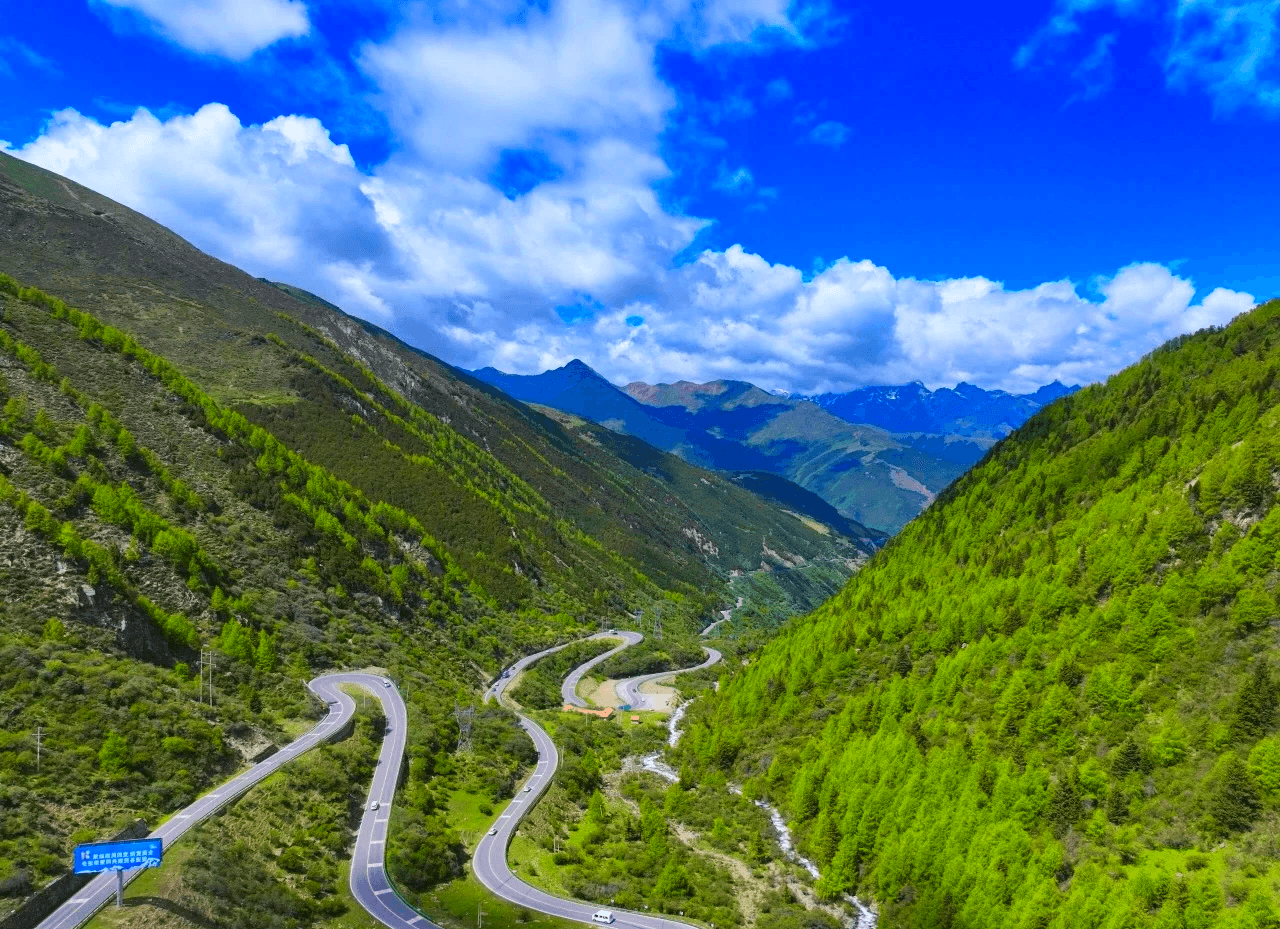
Mountain road and dramatic alpine peaks

Practical preparation

What to Prepare for a Western Sichuan Road Trip

Clothing for changing conditions

Pack layers rather than relying on one heavy jacket. Temperatures can change considerably between sunny afternoons, shaded valleys, high passes and evenings.

Food, water and essential supplies

Carry water, snacks, personal medication and basic travel necessities, especially on longer transfer days where services may be limited or spread out.

Flexible timing

Build spare time into the itinerary. Weather, road works, traffic and altitude adjustment can all affect the pace of a trip.

Respectful local travel

Follow local guidance at monasteries and cultural sites, ask before photographing people, and avoid disturbing wildlife or fragile natural areas.

Plan with realistic distances and timing

Ready to Plan Your Western Sichuan Journey?

Compare a regional road trip with a dedicated destination visit, then choose a pace that leaves room for altitude adjustment, changing weather and time on the road.

Explore Sichuan Tours

Common questions

Western Sichuan Travel Guide: FAQs

What is considered Western Sichuan?

Western Sichuan refers to a broad region west of the Sichuan Basin, including mountain valleys, plateau areas and Tibetan-influenced communities. Exact boundaries can vary by travel context, so plan around specific destinations and routes.

How many days do I need for a Western Sichuan road trip?

It depends on the route and how far west you plan to travel. Shorter trips can focus on areas closer to Chengdu, while routes to high-altitude destinations such as Daocheng Yading require more time for transfers, sightseeing and acclimatization.

Is Western Sichuan suitable for a self-drive trip?

It can suit experienced and well-prepared drivers, but mountain roads, elevation, weather and long distances make planning important. Check current road conditions, legal driving requirements, insurance and vehicle suitability before departure.

When is the best time to visit Western Sichuan?

The best timing depends on the route and scenery you want. Spring and winter can bring snow or access challenges at higher elevations; summer can be rainy; autumn is popular in many areas.

Do I need to worry about altitude in Western Sichuan?

Yes. Many destinations and road passes are at high elevation, and some routes gain altitude quickly. Plan gradual ascent where possible, keep the schedule flexible and learn the symptoms of altitude illness before travelling.