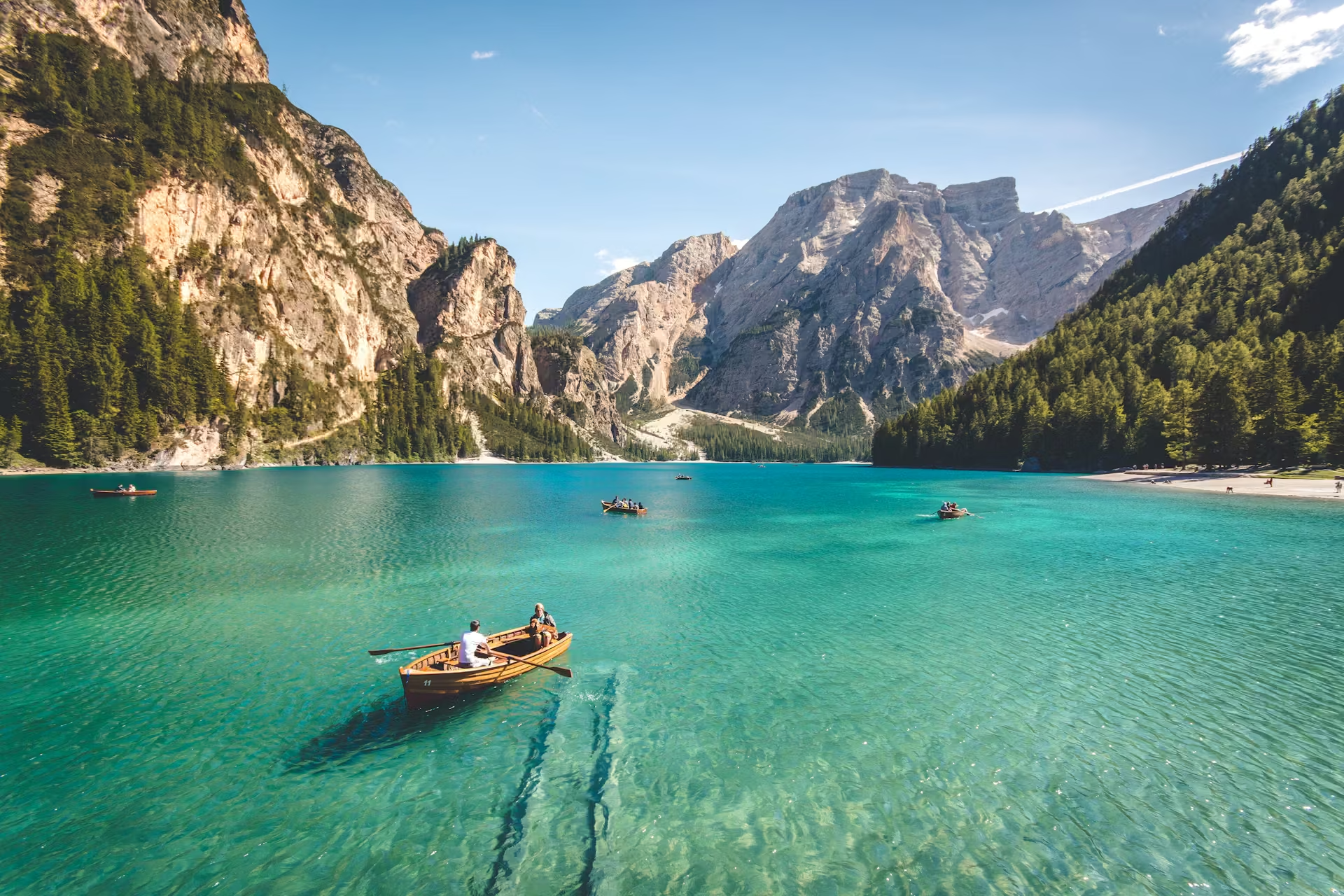
Eastern Sichuan Basin
The basin contains major urban centers and many of the province's key transport connections. Chengdu is the main starting point.
Explore Chengdu →Know the region before you go
Get to know Sichuan's geography, regional climate, gateway cities, transport network and altitude differences before planning your journey across the province.
Explore Sichuan's RegionsA practical overview
Sichuan is a large and geographically varied province in southwest China. Its eastern basin, western highlands and northern mountain landscapes create very different travel conditions. Understanding these differences helps you choose destinations, estimate transfer times and plan for the right season and elevation.
A broad contrast between the Sichuan Basin in the east and high mountain regions in the west.
Conditions vary by elevation and region; one province-wide forecast is rarely enough.
Rail, road and air connections serve different gateways and destination areas.
Many western destinations sit much higher than Chengdu and require extra planning.
Geography and regional differences
The province is often easiest to understand as a lower-elevation eastern basin and a higher, mountainous west, with distinct northern and southern travel areas.
The basin contains major urban centers and many of the province's key transport connections. Chengdu is the main starting point.
Explore Chengdu →
Known for mountain landscapes and major nature destinations, including Jiuzhaigou and Huanglong. Elevation and seasonal conditions matter.
Explore Jiuzhaigou →
A highland region of mountain ranges, valleys and plateau landscapes. Journeys can involve long road transfers and substantial altitude differences.
Explore Western Sichuan →Climate varies across the province
Sichuan does not have one uniform climate. The basin around Chengdu is generally more humid, while mountain and plateau destinations experience stronger changes with elevation, exposure and season.
Eastern Sichuan has a relatively humid climate, with cloudy or overcast conditions common around the basin. Summers can be hot and humid, while winter days are often cool and damp.
Higher-elevation destinations such as Jiuzhaigou and Huanglong can be cooler than Chengdu, especially in the morning, evening and shoulder seasons.
Western Sichuan has pronounced elevation-related differences. A sunny valley, a windy mountain pass and a high plateau area can feel very different on the same journey.
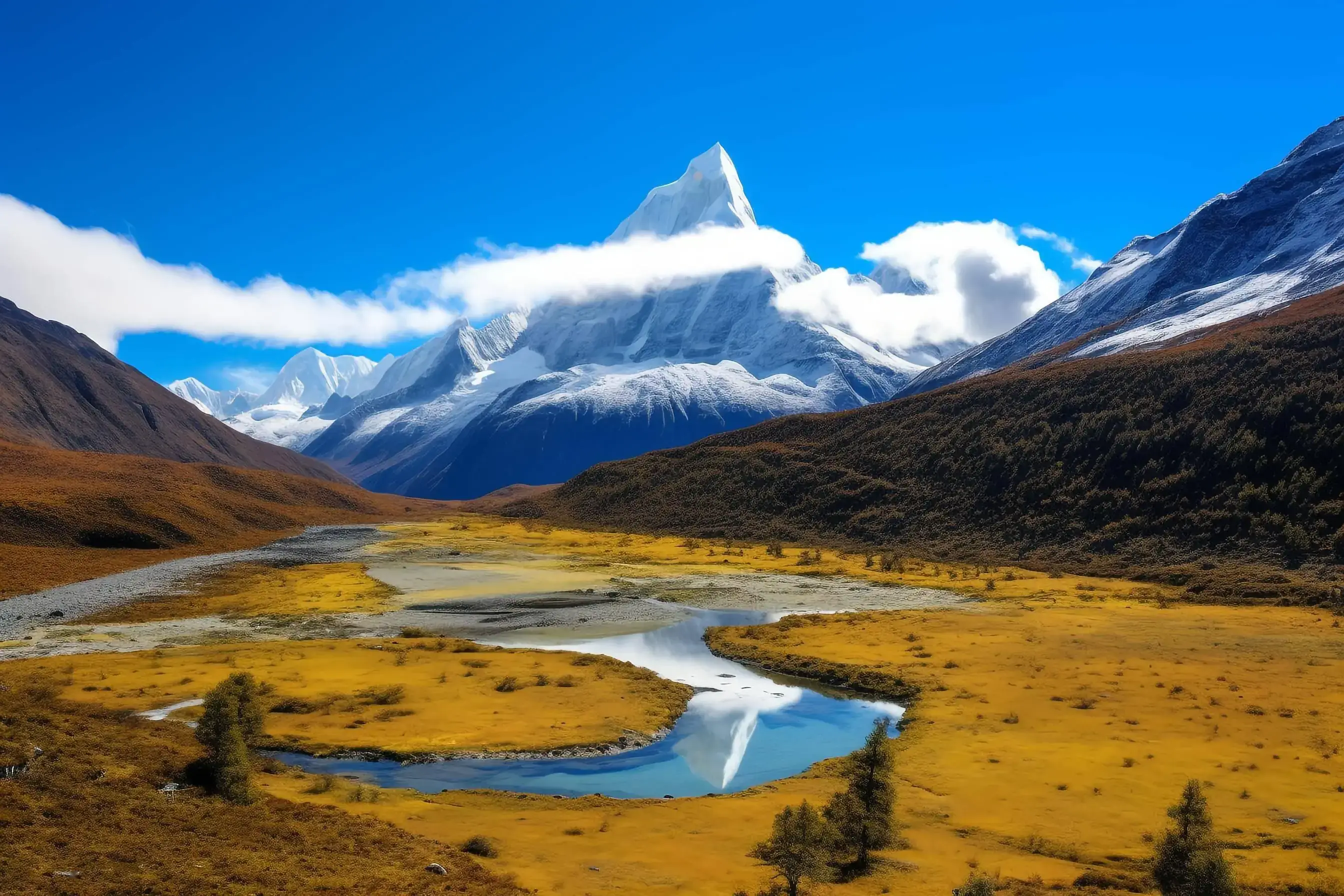
Main arrival and connection points
Most visitors plan around one or more gateway cities before continuing to scenic areas by train, road or domestic flight.
The principal gateway for many Sichuan trips, with extensive transport connections and access to nearby attractions. It is a common base for panda, heritage and multi-region itineraries.
Northern scenic areas are reached through a combination of transport links and road transfers. Check the current route and transfer arrangements for your specific travel dates.
Town stops and regional hubs vary with the route. A western Sichuan loop is usually planned as a sequence of road stages rather than a single short transfer.
How travelers move around
Different transport modes work best for different parts of the province. The key is to consider the full journey between your arrival point and each destination.
Useful for some longer-distance connections and selected regional gateways. Flight schedules, airport locations and onward ground transfers all affect total journey time.
Rail connects Chengdu with a number of cities and regional transport hubs. It can be efficient for suitable corridors, but does not reach every scenic area directly.
Cars, private drivers, buses and local shuttle services are important for reaching many mountain and scenic destinations. Mountain roads can make travel times longer.
An important planning difference
Chengdu sits at a much lower elevation than many destinations in western Sichuan. Higher-altitude areas can affect comfort, activity levels and how much time you should allow for adjustment.
Quick answers
Sichuan is a province in southwest China. It includes the Sichuan Basin in the east and extensive mountainous and plateau areas toward the west.
No. Climate varies with geography and elevation. Chengdu and the eastern basin are generally more humid, while northern scenic areas and western highlands can be cooler.
Chengdu is the main gateway for many visitors because of its transport connections and access to a wide range of attractions.
Rail is useful on connected corridors, particularly around major cities, but many scenic areas still require road transfers or local shuttle services.
Yes. Elevation can rise significantly when traveling from Chengdu into western Sichuan or other mountain destinations. Review the altitude and physical demands of each stop.