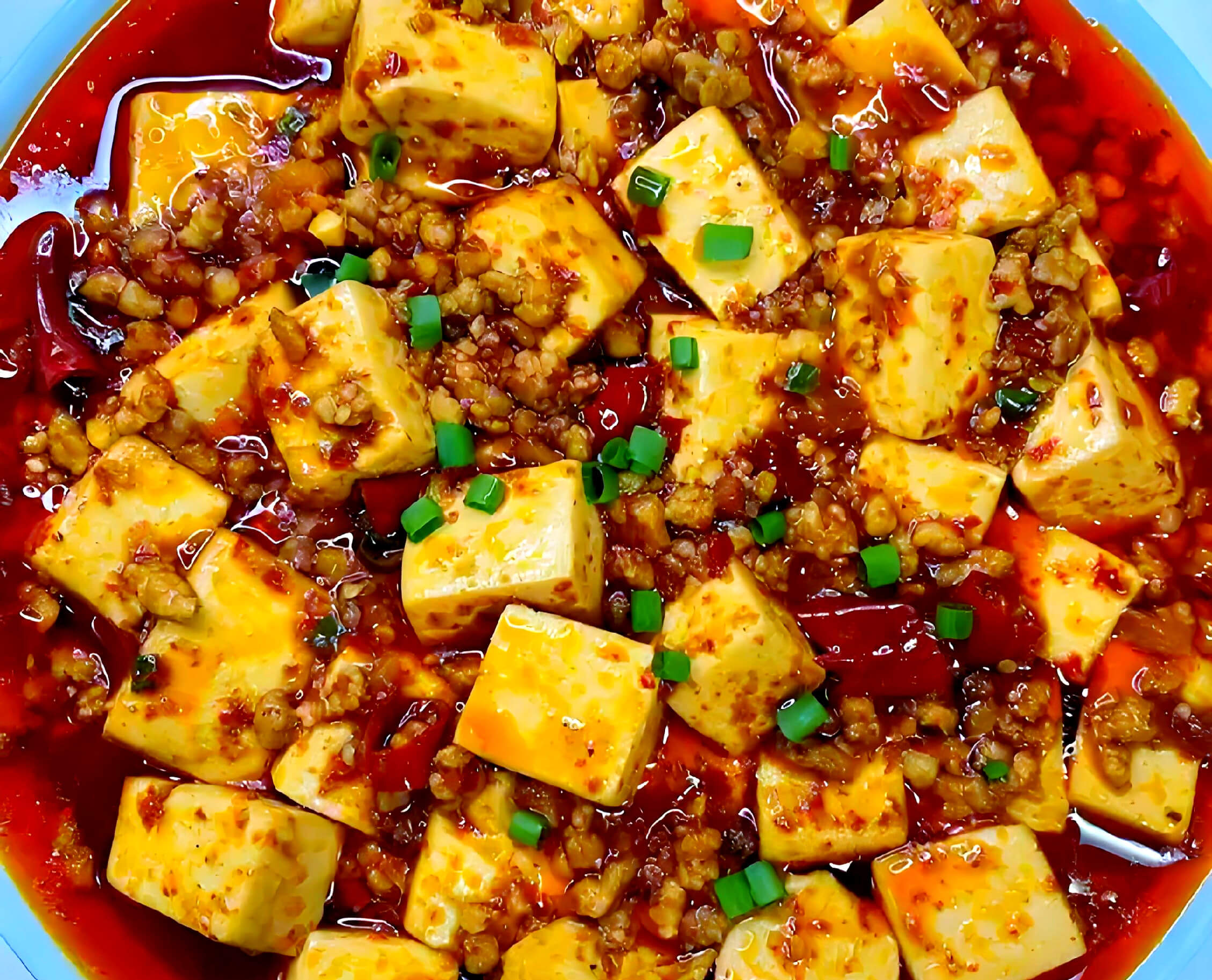
Classic tofu dish
Mapo Tofu
Soft tofu in a richly seasoned sauce, commonly featuring chili bean paste, fermented flavors and the numbing aroma of Sichuan peppercorn.
Taste the flavors of southwest China
Discover the bold, layered flavors of Sichuan cuisine—from mapo tofu and twice-cooked pork to noodles, dumplings, local snacks and the relaxed rhythm of Chengdu tea culture.
Explore Sichuan DishesA guide to what to eat
Sichuan cuisine is famous for more than heat. Its character comes from layers of flavor: chili, Sichuan peppercorn, fermented ingredients, garlic, ginger, broad-bean chili paste and careful cooking techniques. Exploring the cuisine means trying different styles rather than ordering only the hottest food.
Hot, numbing, savory, fragrant and tangy flavors often work together.
Explore stir-fries, braised dishes, noodles, dumplings and snacks.
Small eateries, shared dishes, breakfast stalls and teahouses all matter.
Food traditions and local specialties differ across Sichuan.
Classic dishes to look for
These well-known dishes offer a starting point for understanding the range of Sichuan cooking. Recipes and spice levels vary between restaurants.
Soft tofu in a richly seasoned sauce, commonly featuring chili bean paste, fermented flavors and the numbing aroma of Sichuan peppercorn.
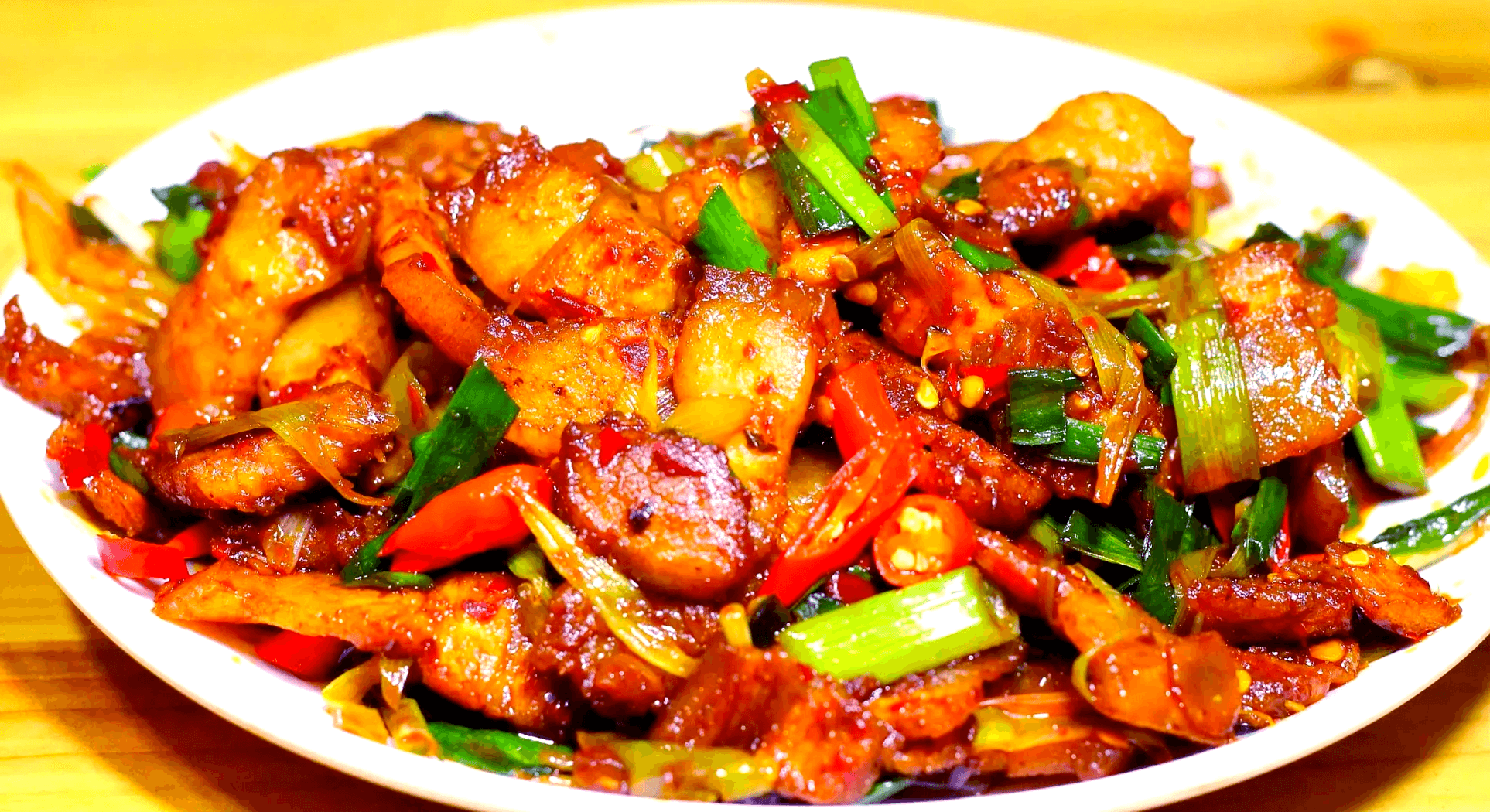
Pork is first cooked, then sliced and stir-fried, often with broad-bean chili paste, garlic sprouts or other vegetables.
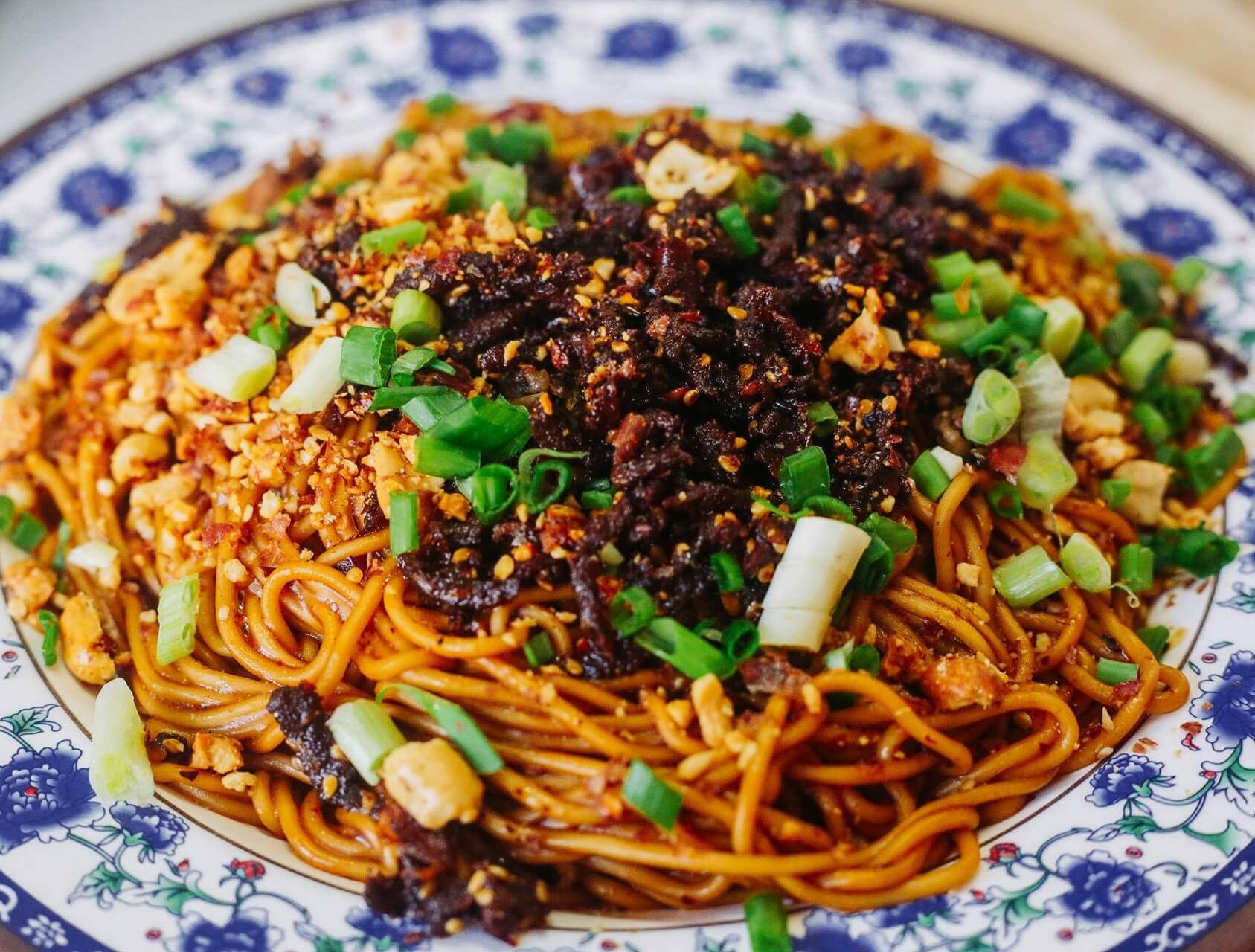
A compact bowl of noodles with a savory, spicy sauce, often topped with minced meat, preserved vegetables and chili oil.
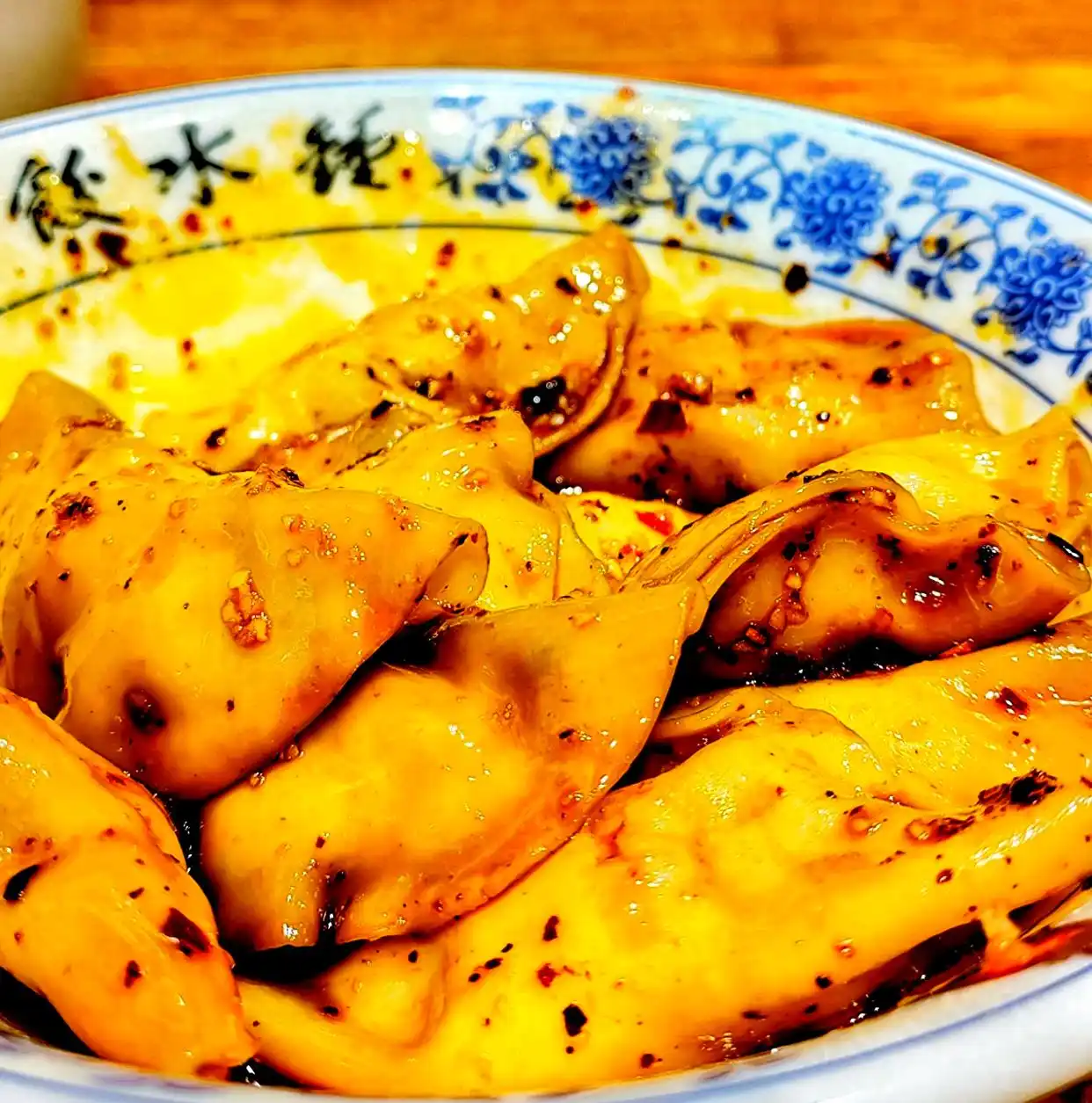
Delicate dumplings traditionally served with a sweet-savory sauce, chili oil, garlic and other seasonings.
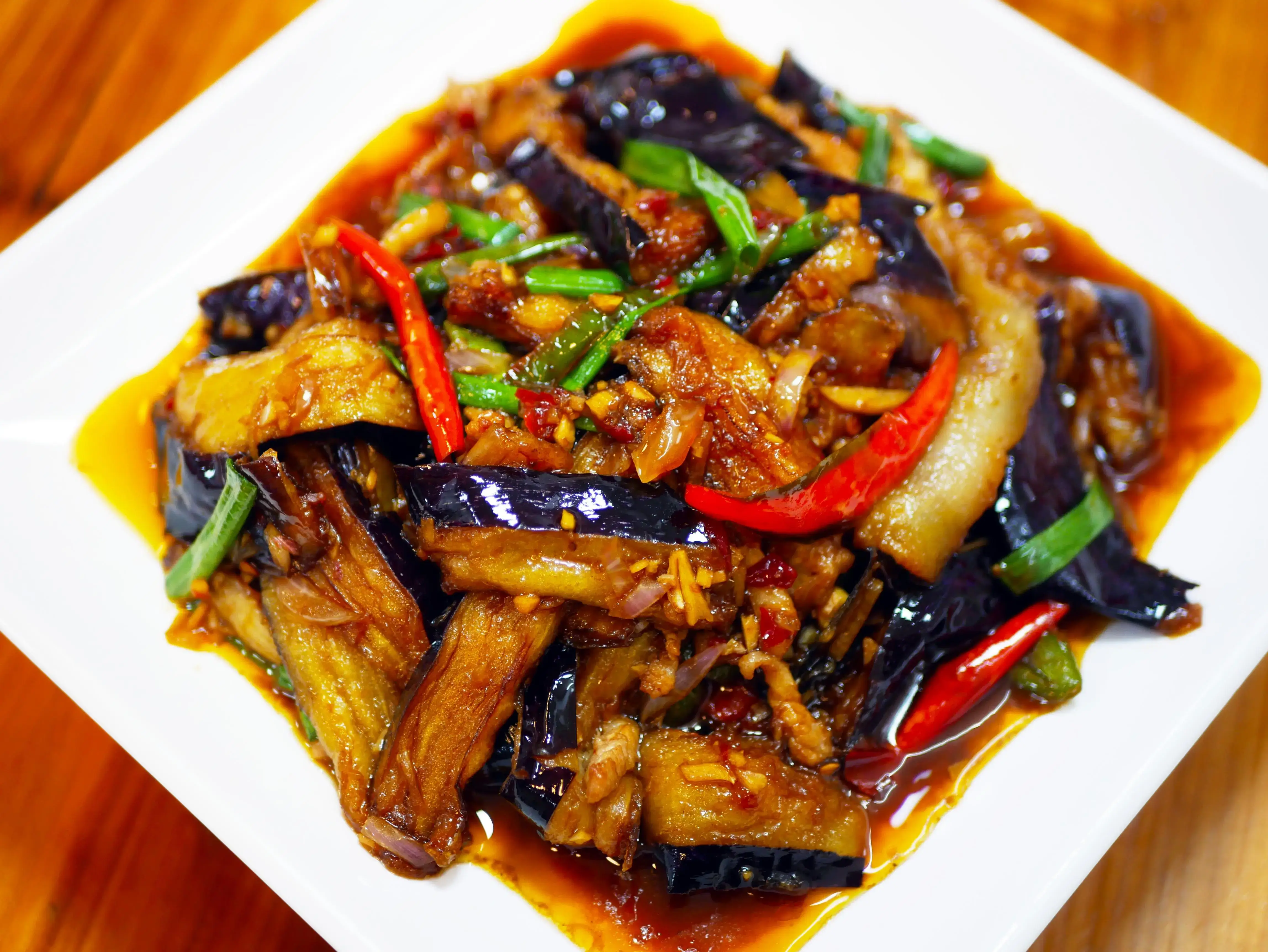
Despite its name, this classic preparation does not require fish. Its sauce combines garlic, ginger, chili and a characteristic sweet-sour-savory balance.
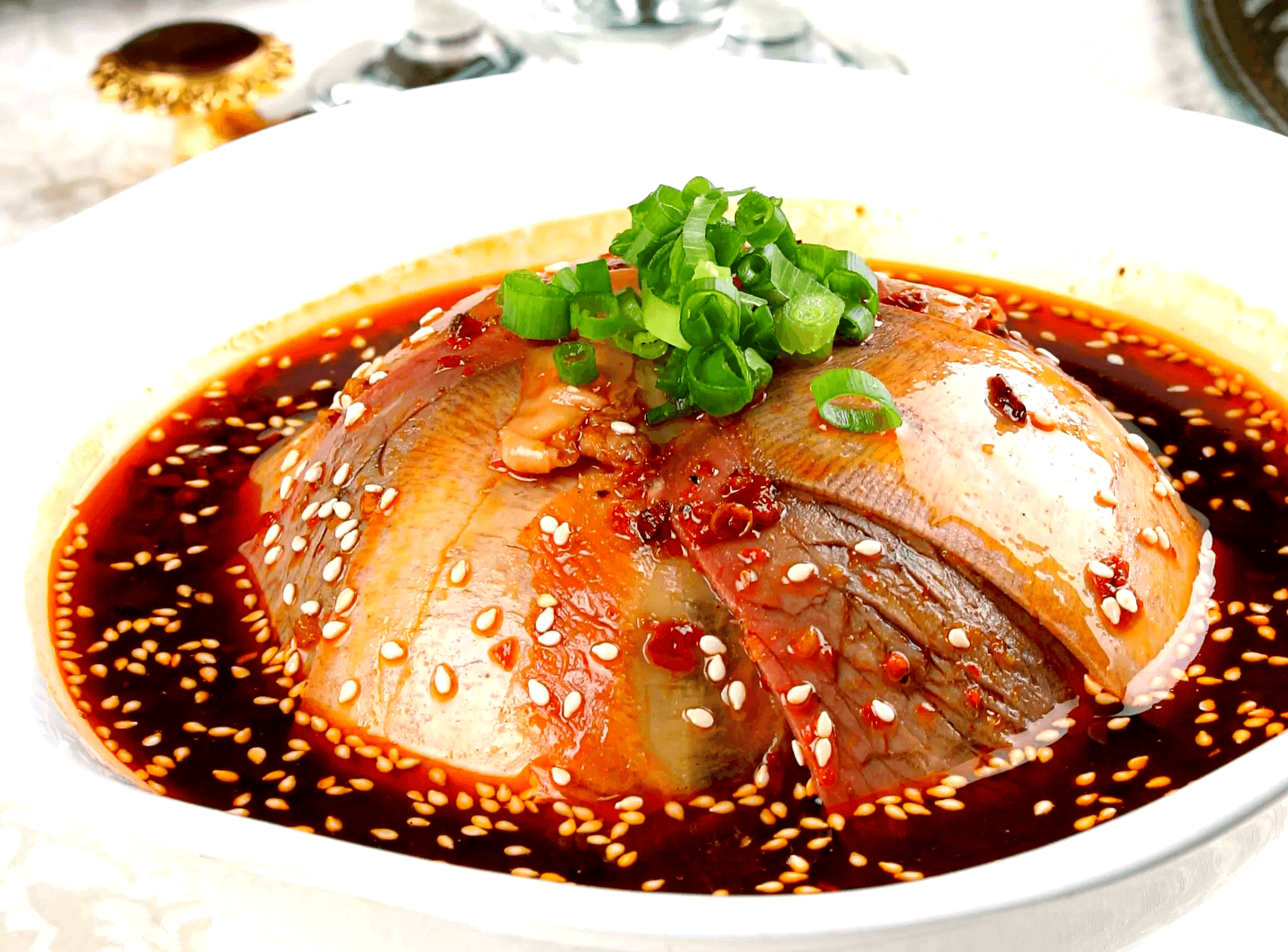
Cold appetizers can bring refreshing contrast to a meal, using ingredients such as cucumber, tofu, vegetables, chili oil and aromatic seasonings.
Understand the signature taste
Sichuan cooking is often associated with mala, the combination of chili heat and the tingling, numbing sensation of Sichuan peppercorn. But mala is only one part of a much wider flavor vocabulary.
Fermented broad-bean chili paste, pickled ingredients, garlic, ginger, scallions, vinegar, sugar and aromatic oils help create depth and balance.
Small bites and everyday favorites
Snacks are an important part of local food culture. They are often eaten between meals, for breakfast or as a casual way to sample several flavors in one outing.
Thick noodles served with a sweet, savory and spicy sauce, often with garlic and chili oil.
Wontons dressed in a fragrant chili-oil sauce, sometimes balanced with sweetness and vinegar.
A crisp, baked or griddled wheat-flour flatbread that can be filled or eaten as a simple snack.
Refreshing noodles mixed with sauces, vegetables and seasonings; especially appealing in warmer weather.
Sweet rice-based treats offer a different side of Sichuan snacking beyond chili-forward flavors.
Look for soy milk, steamed buns, noodles and other quick dishes that reflect everyday eating habits.
More than what is on the plate
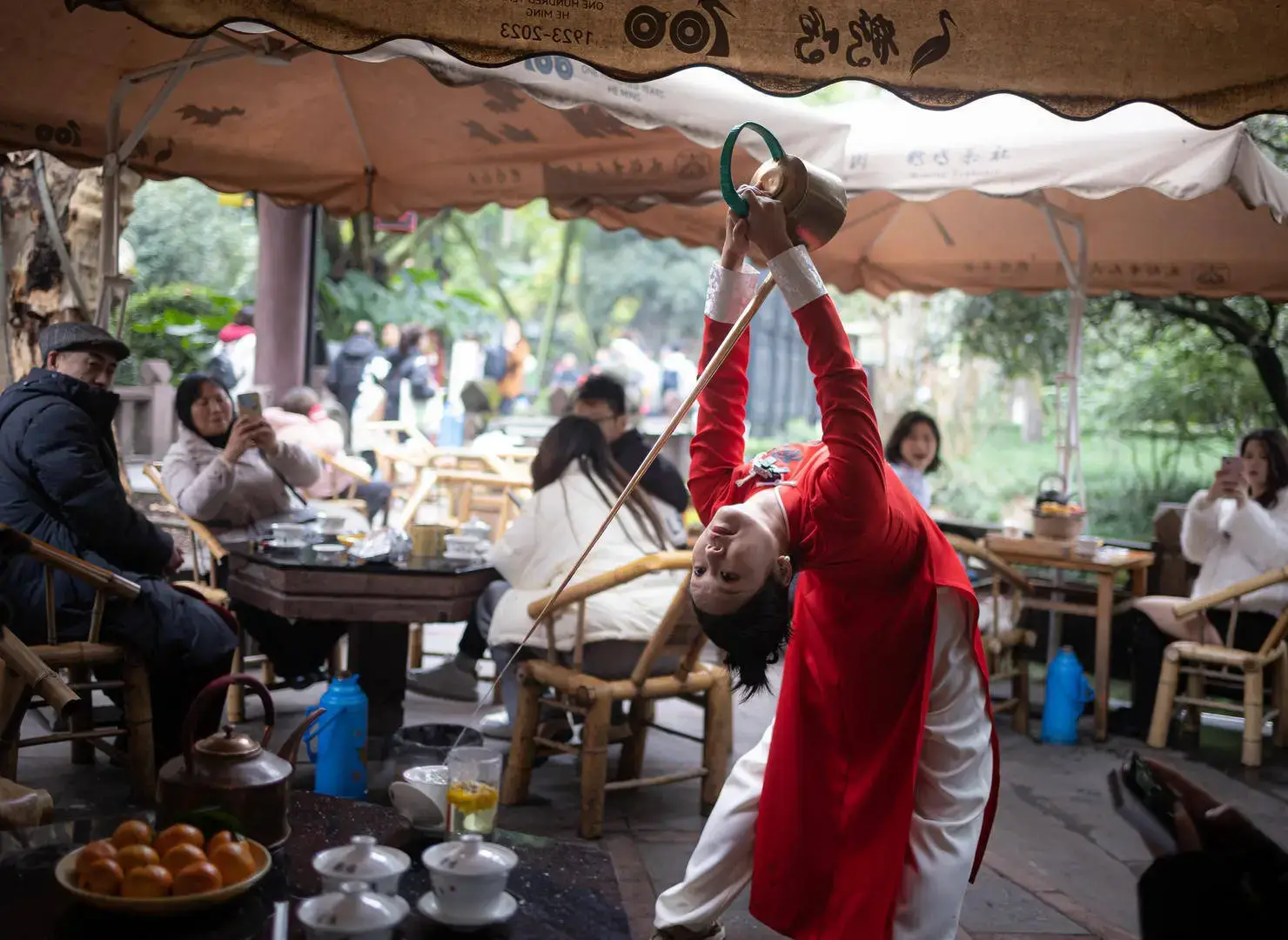
In Chengdu, eating and drinking are closely connected to everyday social life. Teahouses are places to slow down, meet friends, chat and spend time over a pot of tea.
Traditional teahouses may serve jasmine tea, green tea and other varieties. The experience is as much about conversation and atmosphere as the drink itself.
Many meals are ordered as several dishes for the table, allowing everyone to taste different flavors. This is a useful way to explore the cuisine beyond a single signature dish.
Food streets and local markets can offer a broad snapshot of snacks and casual dining. Choose busy, well-maintained stalls and follow local food-safety judgment.
Food varies from place to place
Sichuan cuisine is not a single fixed menu. Ingredients, local traditions and dining styles change across the province.
Chengdu is a major center for Sichuan food culture, with a wide range of restaurants, snack shops, noodle dishes, teahouses and hotpot traditions.
Southern areas have their own local specialties and strong food identities. Regional noodle traditions, preserved ingredients and distinctive seasonings are worth exploring.
Food traditions in western highland areas reflect local ingredients, climate and cultural influences. Travelers may encounter different staple foods and dairy or meat preparations.
A few useful pointers
You do not need to enjoy extreme spice to appreciate Sichuan cuisine. A little variety and a few simple questions can make food exploration easier.
Explain whether you prefer mild, medium or spicy food. Some dishes can be adjusted, while others depend on their signature seasoning.
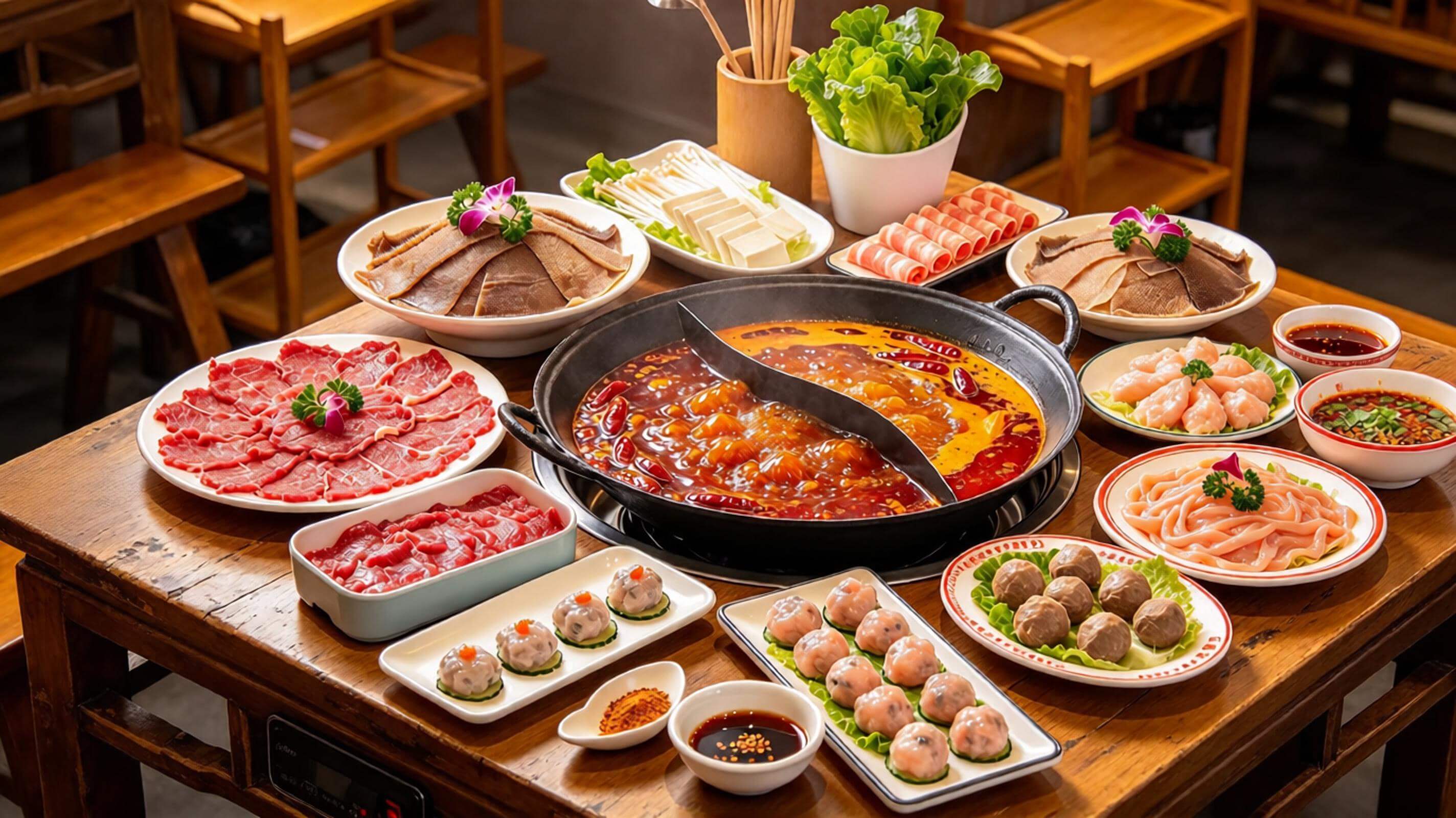
Balance a hotpot meal with noodles, cold dishes, vegetable preparations, dumplings and snacks to experience a wider range of flavors.
When dining with others, ordering a selection for the table makes it easier to sample different textures and flavor profiles.
Make food part of your journey
Use the Chengdu travel guide to connect food experiences with neighborhoods, local culture and nearby attractions as you plan your visit.
Explore the Chengdu GuideCommon questions
Sichuan is known for hotpot, mapo tofu, twice-cooked pork, dandan noodles, dumplings, spicy wontons and many other dishes. The cuisine is known for layered flavors, not only chili heat.
No. Many famous dishes use chili and Sichuan peppercorn, but the cuisine also includes mild, fragrant, savory, sweet-sour and non-spicy options.
Spicy usually refers to chili heat. Mala combines chili heat with the tingling or numbing sensation associated with Sichuan peppercorn.
Try mapo tofu, twice-cooked pork, dandan noodles, Zhong dumplings, sweet water noodles, spicy wontons and local cold dishes.
Yes. Chengdu has a broad range of restaurants, snack shops, markets and teahouses, making it a convenient place to explore both classic Sichuan dishes and everyday food culture.