Western Sichuan · High-Altitude Nature
Daocheng Yading: Routes, Best Season & Altitude Tips
Plan a visit to one of Western Sichuan’s most spectacular high-altitude landscapes. Compare the short and long routes, choose the right season, understand the elevation challenge and prepare for changing mountain conditions.
The short answer
What should you know before visiting Daocheng Yading?
Daocheng Yading is a high-altitude scenic area, not a casual stop on a road trip. Most visitors choose between a shorter walk from Chonggu Temple to Pearl Lake and a much more demanding route toward Luorong Pasture, Milk Lake and Five-Color Lake. The long route reaches elevations approaching 4,700 metres.
For most first-time visitors, allow at least two days inside the scenic area if you want to experience both routes. Build extra days into the wider journey for travel and acclimatisation, and stay in Shangri-La Town before attempting strenuous walking.
The landscape
Daocheng Yading’s main scenic highlights
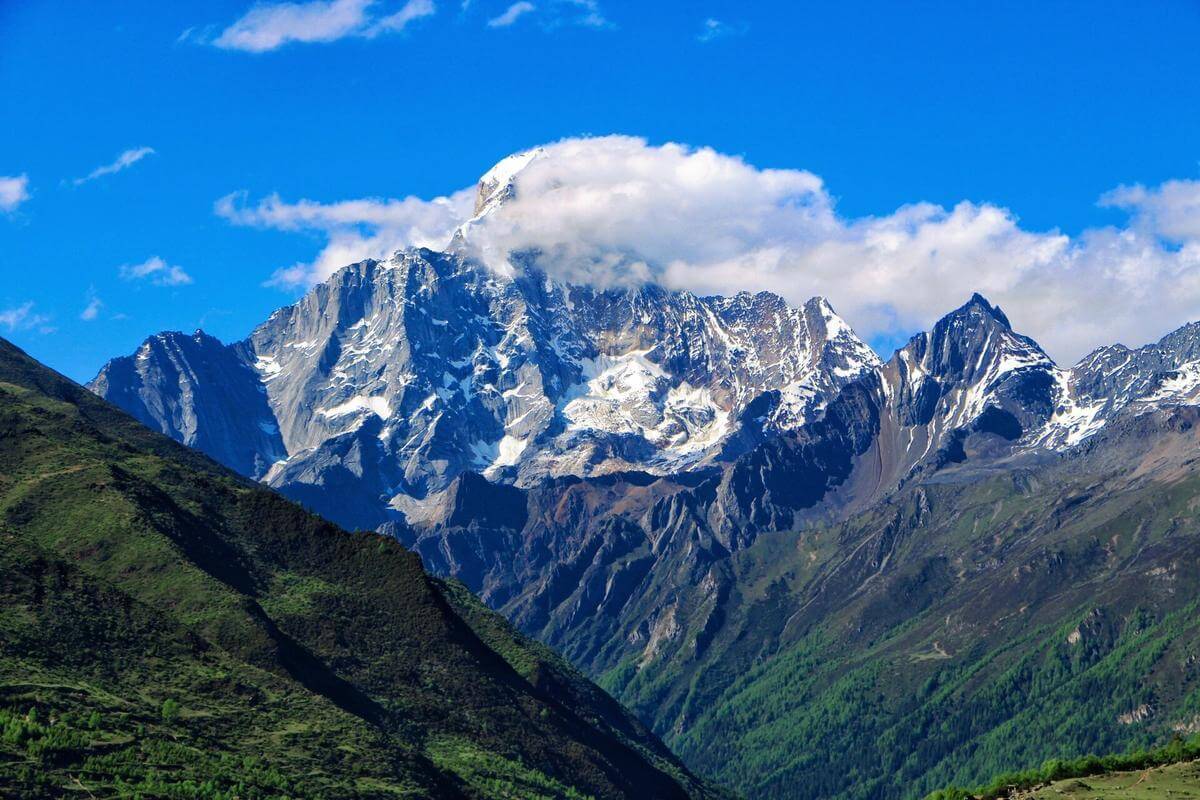
The reserve is known for three sacred snow peaks, highland meadows, alpine lakes and monastery scenery. The main walking routes offer different ways to experience this landscape.
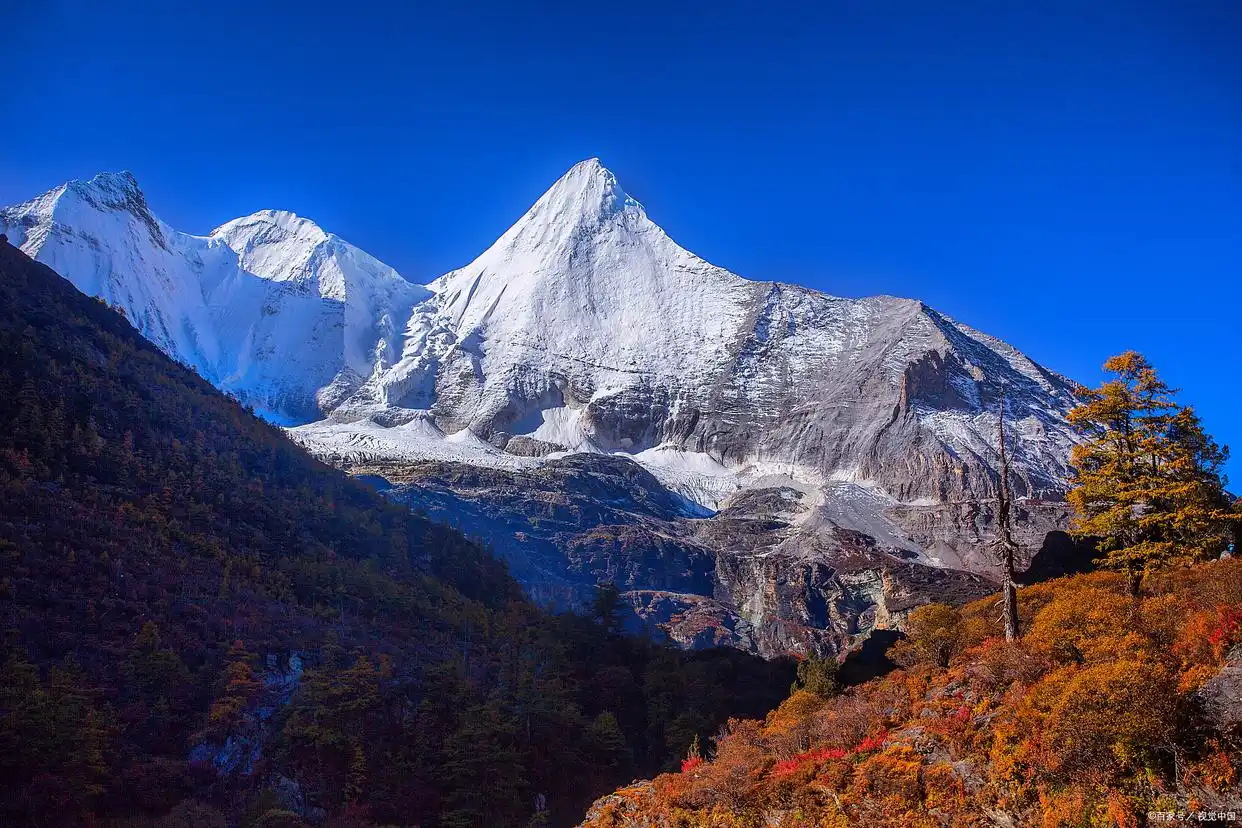
The Three Sacred Peaks
Xiannairi, Yangmaiyong and Xianuoduoji define the dramatic skyline of Yading. Their snow-covered ridges and surrounding valleys are central to the region’s landscape and Tibetan cultural identity. Clear early-morning conditions often provide the best chance of seeing the peaks.
Luorong Pasture, Milk Lake & Five-Color Lake
Luorong Pasture opens onto a broad alpine valley framed by the sacred peaks. The long route continues toward Milk Lake and Five-Color Lake, two of Yading’s best-known high-altitude lakes. Reaching them requires sustained walking at elevations where the air is thin; do not judge the difficulty by distance alone.
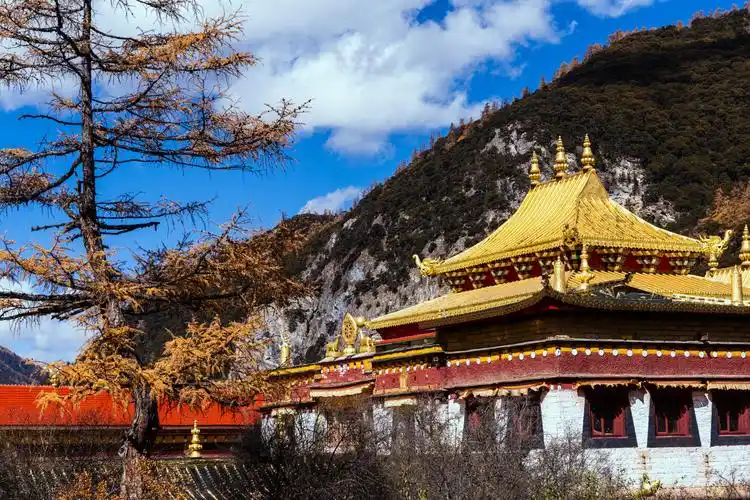
Chonggu Temple and Pearl Lake
Chonggu Temple is the key junction for the short and long routes. From this area, the shorter walk leads toward Pearl Lake, also known as Zhuomala Lake, with a memorable view toward Xiannairi. It is a good option for visitors conserving energy or adjusting to the altitude.
Choose your route
Daocheng Yading short route vs long route
Both routes begin after the scenic-area shuttle brings visitors to Zhaguanbeng. From there, continue on foot to Chonggu Temple, where the routes divide. Distances and times vary with the exact open trail, transport arrangements, weather and personal pace.
| Route | Main route | Typical time | Altitude and effort | Best for |
|---|---|---|---|---|
| Short route | Zhaguanbeng → Chonggu Temple → Pearl Lake | About 2–4 hours walking | Roughly 3,900–4,100 m; moderate, with uphill sections | First-time visitors, limited time, acclimatisation and lower exertion |
| Long route | Chonggu Temple → Luorong Pasture → Milk Lake → Five-Color Lake | About 6–9 hours; a full-day outing | Roughly 4,150–4,700 m; strenuous and exposed | Well-acclimatised visitors prepared for a demanding high-altitude hike |
Pearl Lake: a more manageable day
- Take the scenic shuttle to Zhaguanbeng.
- Walk to Chonggu Temple and the route junction.
- Follow the signed path toward Pearl Lake.
- Allow time for photos and a gradual return.
- Turn back if you develop altitude symptoms or the weather deteriorates.
Milk Lake and Five-Color Lake: a serious hike
- Start as early as the official transport schedule allows.
- Reach Chonggu Temple and continue toward Luorong Pasture.
- Use the electric cart if operating and appropriate for your plan.
- Continue uphill toward Milk Lake and Five-Color Lake only if conditions and energy remain good.
- Protect the return-time buffer; do not push on just to reach the final lake.
High-altitude preparation
Daocheng Yading altitude: what makes the hike difficult?
Altitude is the main challenge for many visitors. The scenic shuttle takes you quickly from the visitor center to a high mountain valley, leaving limited time for your body to adjust before walking.
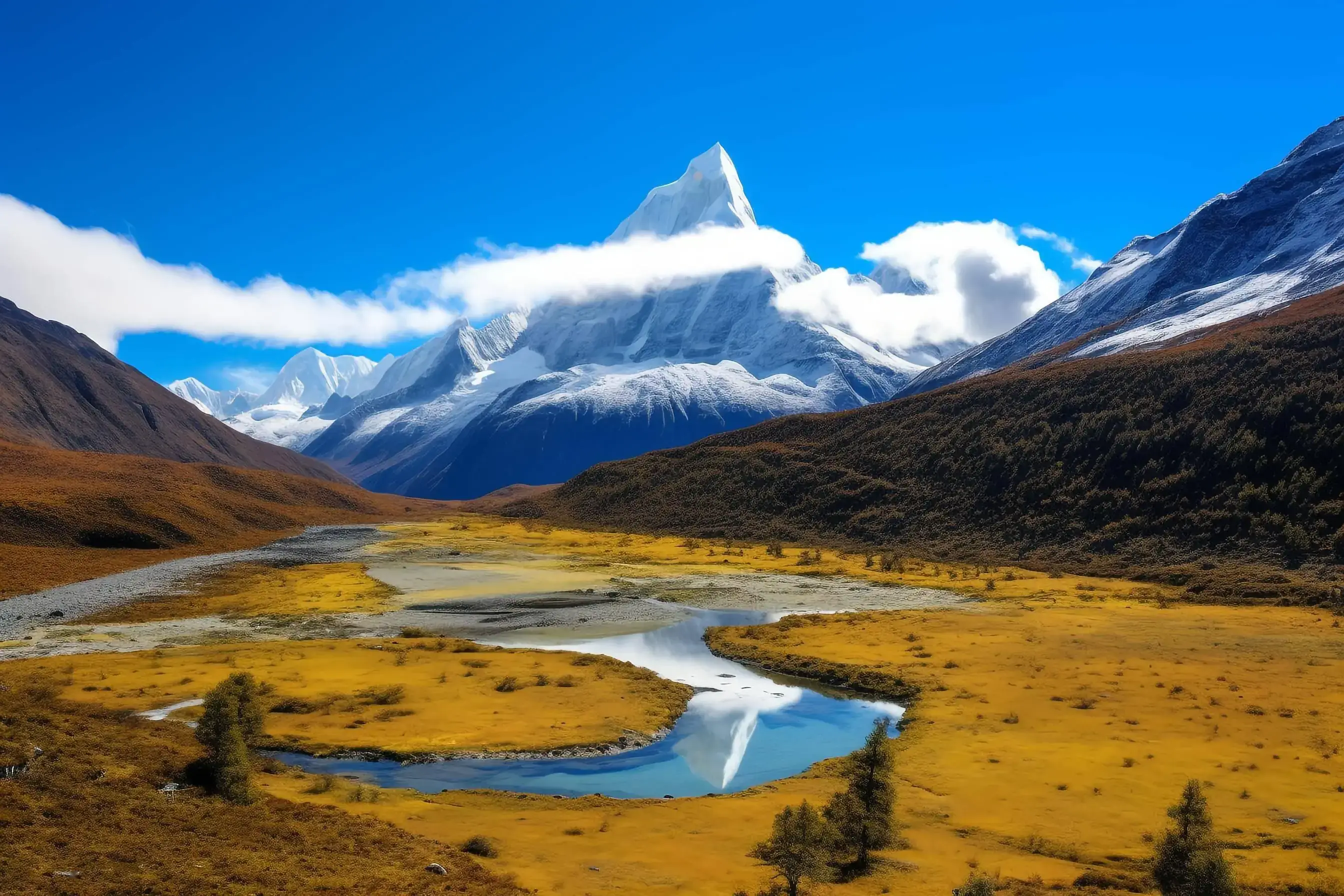
Understand the elevation before choosing a route
The route to Pearl Lake reaches around 4,100 metres, while the upper long route can approach 4,700 metres. At these elevations, exertion feels harder and symptoms can develop even in people who are normally fit.
Plan gradual acclimatisation before strenuous activity. Avoid flying or driving directly into high altitude and immediately attempting the long route. If you have a heart, lung or other significant medical condition, discuss the trip with a qualified clinician before travel.
Reduce avoidable altitude stress
- Spend time acclimatising at a lower elevation before the hike.
- Stay in Shangri-La Town (Riwa) rather than sleeping higher in Yading Village when practical.
- Keep the first day easy and avoid rushing uphill.
- Drink regularly, eat adequately and avoid alcohol during acclimatisation.
- Choose the short route or rest if you are not feeling well.
Recognise warning symptoms
- Headache, nausea, dizziness or unusual fatigue can indicate altitude illness.
- Stop ascending if symptoms develop; rest and reassess.
- Worsening symptoms require descent, not a push to the next viewpoint.
- Breathlessness at rest, confusion, poor coordination or severe weakness are emergency warning signs.
Seasonal planning
Best time to visit Daocheng Yading
September and October are popular for autumn colours and clearer conditions, while summer brings greener meadows but also more rain and cloud. Upper trails can have different conditions from the towns and roads below.
| Period | What to expect | Planning considerations |
|---|---|---|
| April–May | Spring conditions, colder upper elevations and emerging flowers | Check snow, ice and upper-route access before planning the long hike. |
| June–August | Green meadows and fuller streams; summer rainy season | Rain, low cloud, slippery trails and changing weather can affect visibility and access. |
| September–October | Autumn colour and often attractive mountain views | A popular period; book accommodation and transport early, and prepare for cold mornings. |
| November–March | Winter cold, snow and possible ice at high elevations | Upper routes and services may be restricted or closed. Confirm official notices before travelling. |
There is no guaranteed “perfect” month. The scenic area can experience snow or route restrictions even when conditions in Shangri-La Town appear mild.
Stay and access
Where to stay and how to reach Daocheng Yading
Stay in Shangri-La Town for a practical base
Shangri-La Town, also called Riwa, is the usual base for visiting the scenic area. It sits lower than Yading Village and has a wider range of accommodation and dining options. Staying here can make acclimatisation and access more manageable for many travellers.
Yading Village is closer to the reserve but is higher in elevation. It may suit photographers or visitors prioritising an early start, but sleeping higher is not automatically the better choice when you are still acclimatising.
From Chengdu by road
The journey is long and normally requires careful multi-day planning, often with overnight stops. Mountain roads, weather, roadworks and altitude make it unsuitable to treat as a simple same-day transfer.
By air to Daocheng Yading Airport
The airport is at very high elevation and is not the scenic-area entrance. You still need a road transfer to the Yading area. Flying directly to a high-altitude airport can increase altitude stress.
Tickets and on-site logistics
Tickets, shuttle buses and electric carts
Admission and internal transport are separate parts of the visit. The scenic-area shuttle is essential for reaching the trail area, while electric carts may shorten part of the long route when operating.
Check the current ticket notice
Recent published information lists peak-season admission around CNY 146, but prices, validity periods, discounts and operating arrangements can change. Some 2026 notices also report temporary suspension of sightseeing-bus and electric-cart transport fees during a rectification period. Verify the current official notice.
Plan the return before you start
Check the first and last shuttle services, electric-cart operation and any route cut-off times at the visitor center. For the long route, begin early and set a firm turnaround time. Do not assume that transport will wait for late hikers.
FAQs
Daocheng Yading travel FAQs
How many days do you need at Daocheng Yading?
Allow two days inside the reserve if you want to experience both the short and long routes. Add extra days for the journey to Western Sichuan and for altitude acclimatisation.
Which is better, the short route or the long route?
The short route to Pearl Lake is more manageable and suits visitors with limited time or those adjusting to altitude. The long route offers Luorong Pasture, Milk Lake and Five-Color Lake, but is a demanding full-day hike at very high elevation.
How high is Daocheng Yading?
The main walking areas are already around 3,800–4,100 metres, and the upper long route can approach 4,700 metres. Elevation varies by stop and trail segment.
What is the best month to visit Daocheng Yading?
September and October are popular for autumn scenery and clearer views. June to August is greener but wetter, while winter can bring snow, ice and route restrictions. Always check current access conditions.
Can beginners hike to Milk Lake and Five-Color Lake?
It depends less on technical hiking experience than on altitude tolerance, acclimatisation, weather and endurance. The long route is strenuous and should not be attempted if you have symptoms or insufficient time for a safe return.
Is Shangri-La Town the same as Shangri-La in Yunnan?
No. Shangri-La Town (Riwa) is the gateway town for Daocheng Yading in Sichuan. It is different from Shangri-La City in Yunnan Province.
Continue planning Western Sichuan