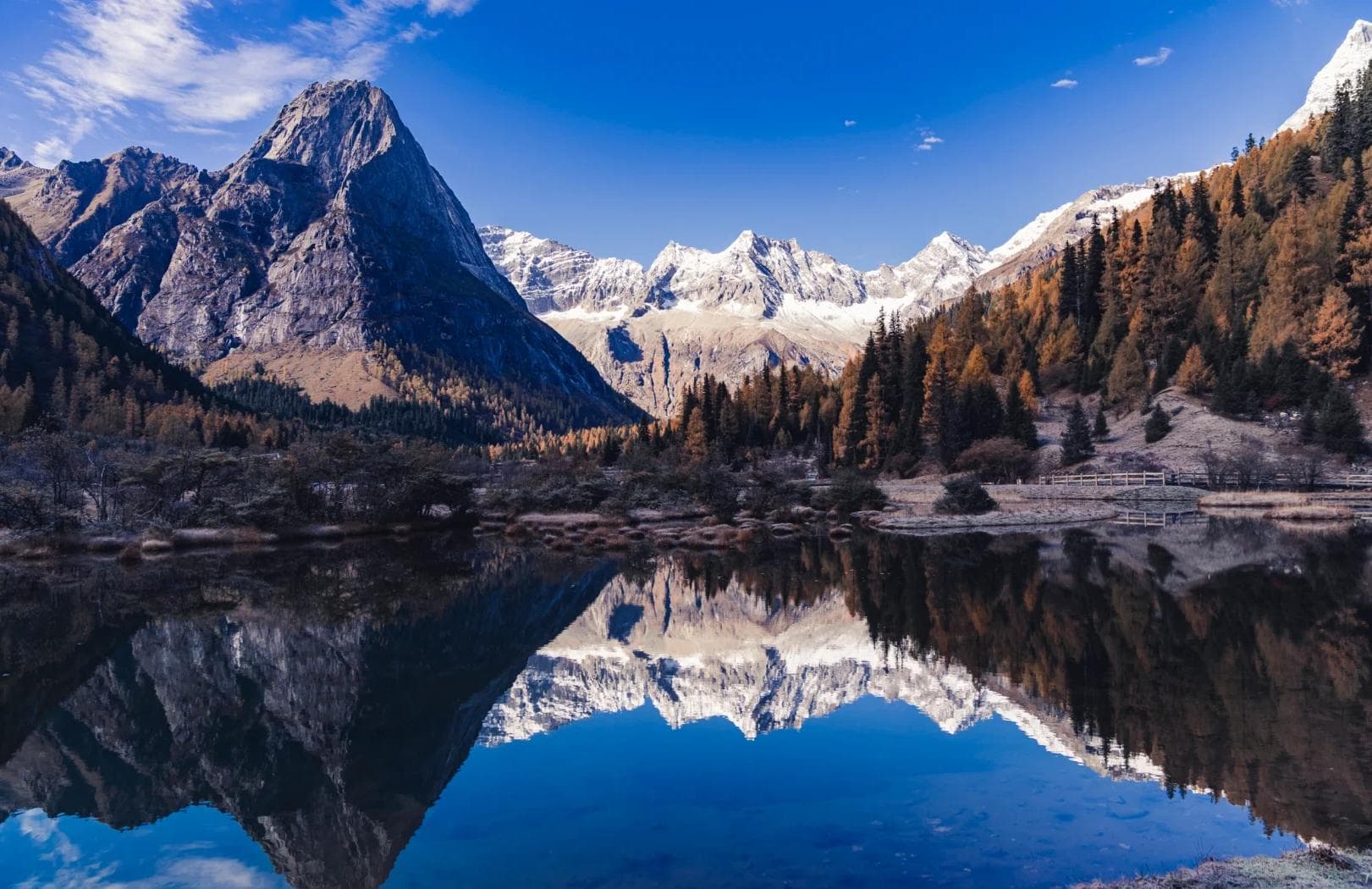
Western Sichuan · Mountain & Valley Guide

Mount Siguniang Travel Guide

Discover the Four Sisters Mountain region, from the accessible alpine scenery of Twin Bridge Valley to longer hikes, seasonal landscapes and practical travel planning.

Explore the Valleys Plan Your Visit

What is Mount Siguniang best known for?

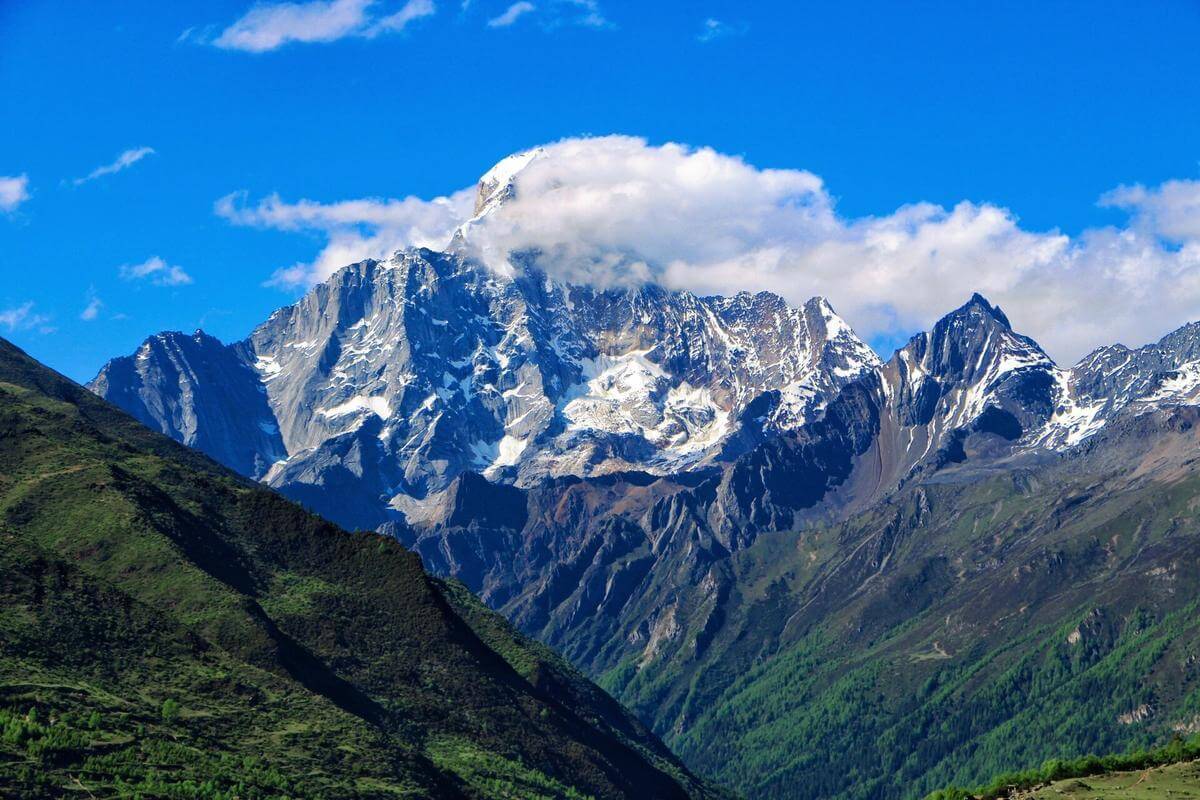
Mount Siguniang, also called Siguniang Mountain, is a high-mountain destination in Xiaojin County, Aba Tibetan and Qiang Autonomous Prefecture, northern Sichuan. The area is famous for four prominent peaks, forested valleys, alpine meadows, rivers and dramatic snow-covered mountain scenery.

For most first-time visitors, Twin Bridge Valley (Shuangqiao Valley) is the easiest place to experience the landscape without committing to a strenuous high-altitude trek. The scenic area is made up of three main valleys, each offering quite different experiences.

LocationXiaojin County, Sichuan
Best-known areaTwin Bridge Valley
Visit length1–2 days for main valleys
Key considerationHigh altitude & weather

Choose the right Mount Siguniang valley

The three valleys are not interchangeable. Twin Bridge Valley is the most convenient for sightseeing, while Changping and Haizi valleys are more suitable for visitors seeking a more active mountain experience.

Mountain valley scenery

Twin Bridge Valley

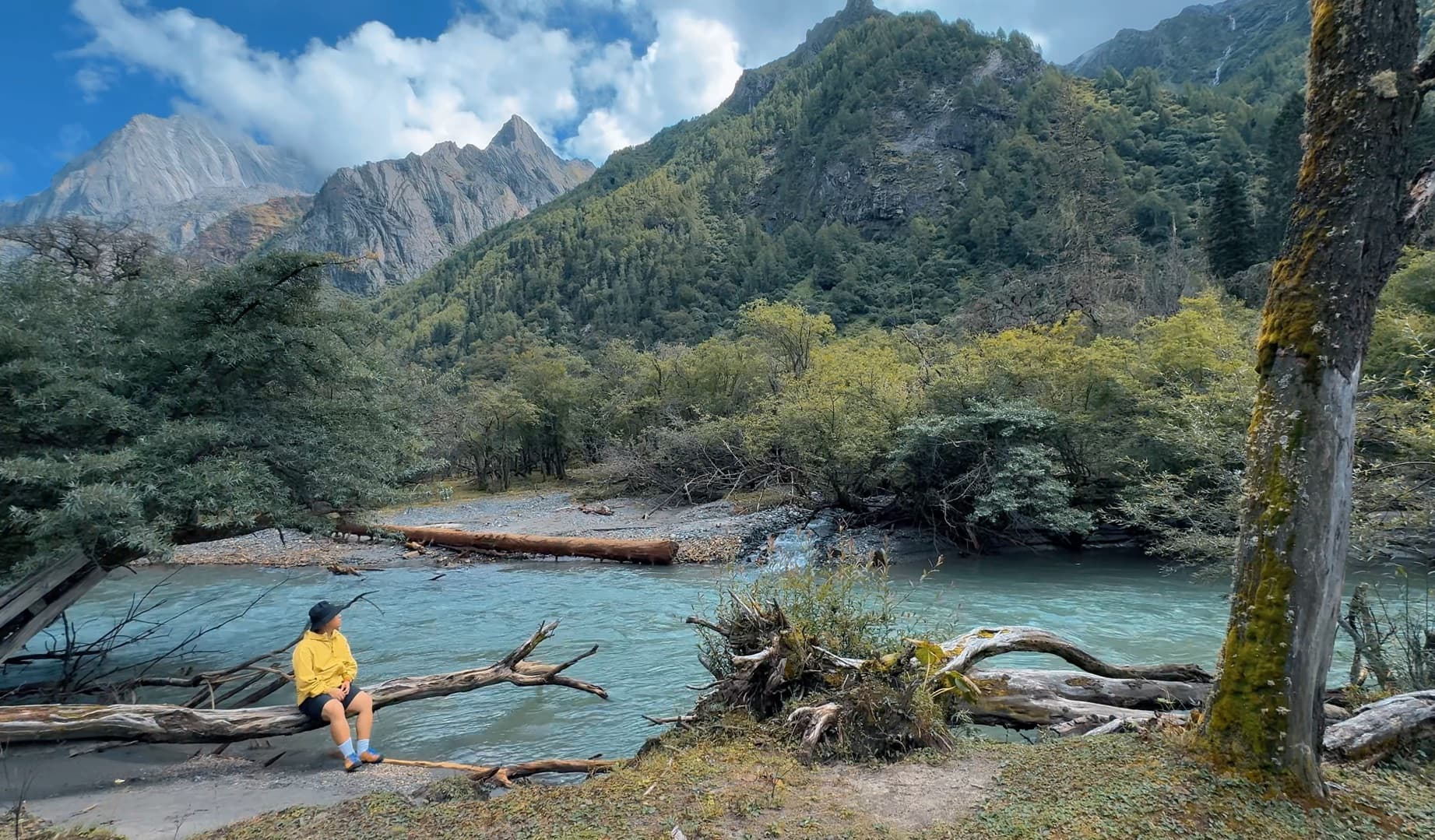
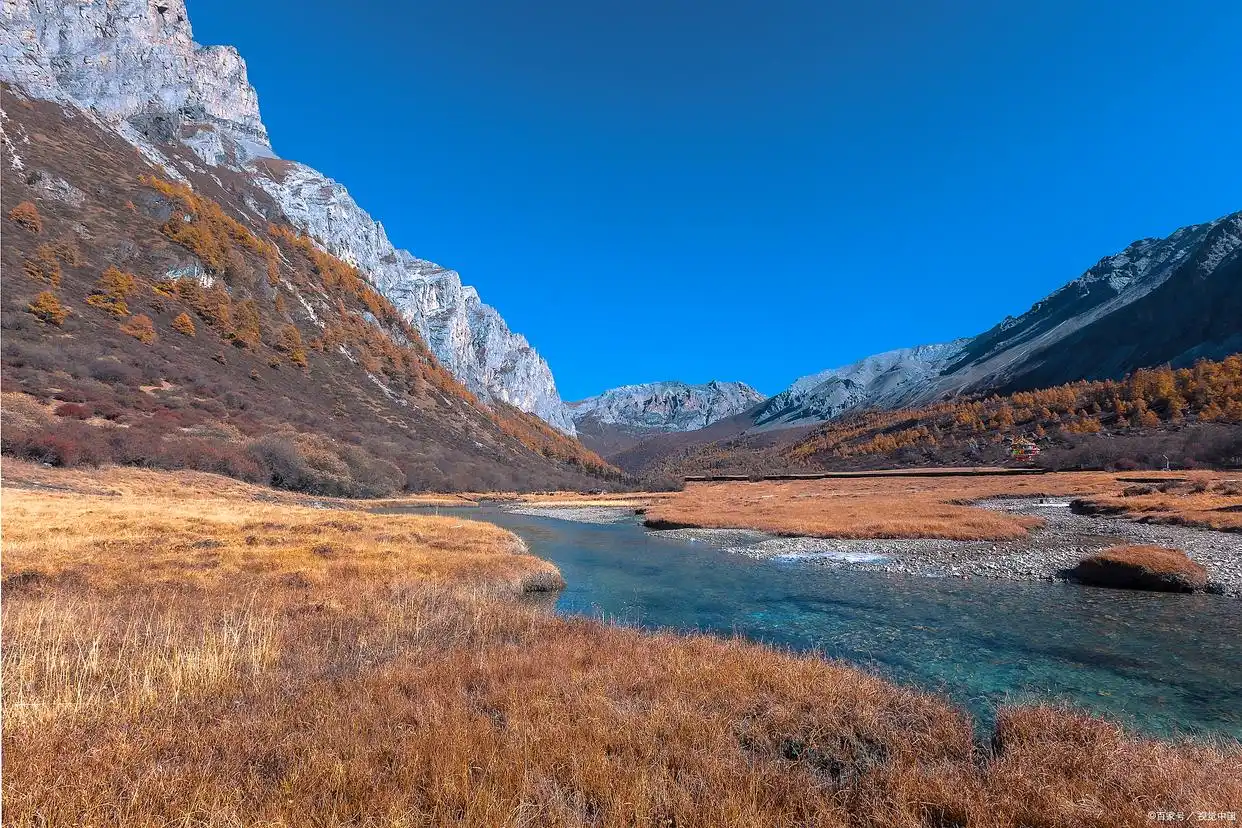
The most visitor-friendly option, with a long sightseeing route served by scenic-area buses. Expect mountain views, forests, streams, meadows and designated walking stops. It is the best starting point for many first-time visitors and families.
Forest and mountain landscape

Changping Valley

A better fit for visitors who want to walk farther into a mountain valley. The route combines forest paths, river scenery and views toward the peaks. Walking distance and trail conditions depend on the section you choose.

Alpine lake beneath mountains

Haizi Valley

The more demanding option, known for open alpine terrain and high-altitude lakes. It is generally better suited to experienced hikers with adequate acclimatization, preparation and time—not a casual add-on.

Simple choice: Choose Twin Bridge Valley for convenient sightseeing; Changping Valley for a moderate walking-focused visit; and Haizi Valley only if you are prepared for a longer, more strenuous high-altitude outing.

Twin Bridge Valley: the easiest way to see the scenery

Twin Bridge Valley (Shuangqiao Gou) is the most developed and straightforward of the three valleys for general sightseeing. Visitors typically take the scenic-area shuttle bus from the entrance toward the upper valley, then explore selected stops on foot.

Typical scenery includes snow peaks, spruce and other mountain forests, grassland, streams, rock formations and broad valley viewpoints. The sequence of stops and bus arrangements can change, so follow the current instructions provided at the visitor centre.

Allow most of a day rather than trying to combine every valley in a rushed schedule. If you have only one day in the area, Twin Bridge Valley is usually the most efficient choice.

Snow-covered mountain peaks and alpine valley

Hiking options and difficulty

A visit to Mount Siguniang does not have to mean a major trek. The best route depends on whether you want scenic stops with short walks or a physically demanding day in the high mountains.

ExperienceTypical activityRelative effortBest for
Twin Bridge ValleyShuttle bus between scenic stops, with short walks and photo breaksLow to moderateFirst-time visitors, families and travellers with limited time
Changping ValleyWalk selected sections of the valley on established pathsModerate; varies by distanceVisitors who want more time on foot and closer nature experiences
Haizi ValleyLonger high-altitude walking toward alpine lakes and open terrainHighExperienced hikers with suitable acclimatization and preparation

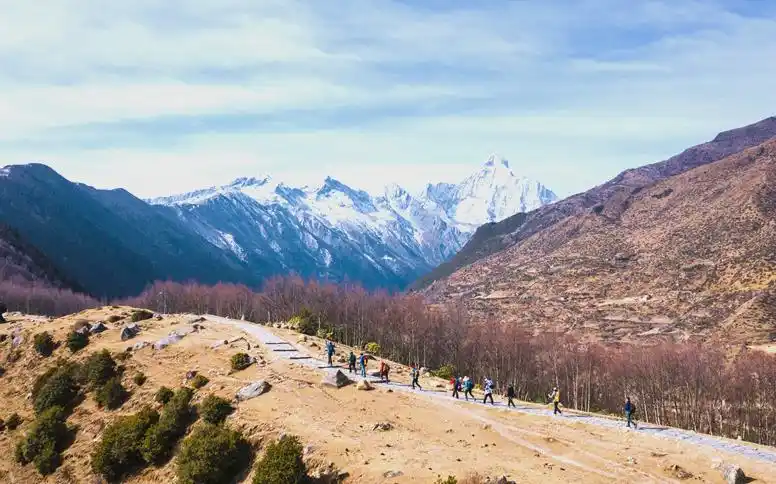
Do not judge a route by distance alone. At altitude, a seemingly manageable walk can feel significantly harder, especially when climbing, carrying a pack or moving in cold and windy conditions. Check current trail access, weather, daylight and any local restrictions before setting out.

Hikers walking along a mountain trail
Green alpine meadow and mountain scenery

Best time to visit Mount Siguniang

Mount Siguniang is a year-round mountain destination, but the experience changes substantially with the season. Weather in the valleys can shift quickly, and conditions at higher elevations may differ from those in nearby towns.

  • Spring (April–May): A quieter transition season. Expect variable temperatures, possible lingering snow at higher elevations and changing trail conditions.
  • Summer (June–August): Green valleys, flowing streams and lush vegetation. This is also a wetter period, so rain, cloud and afternoon weather changes are important considerations.
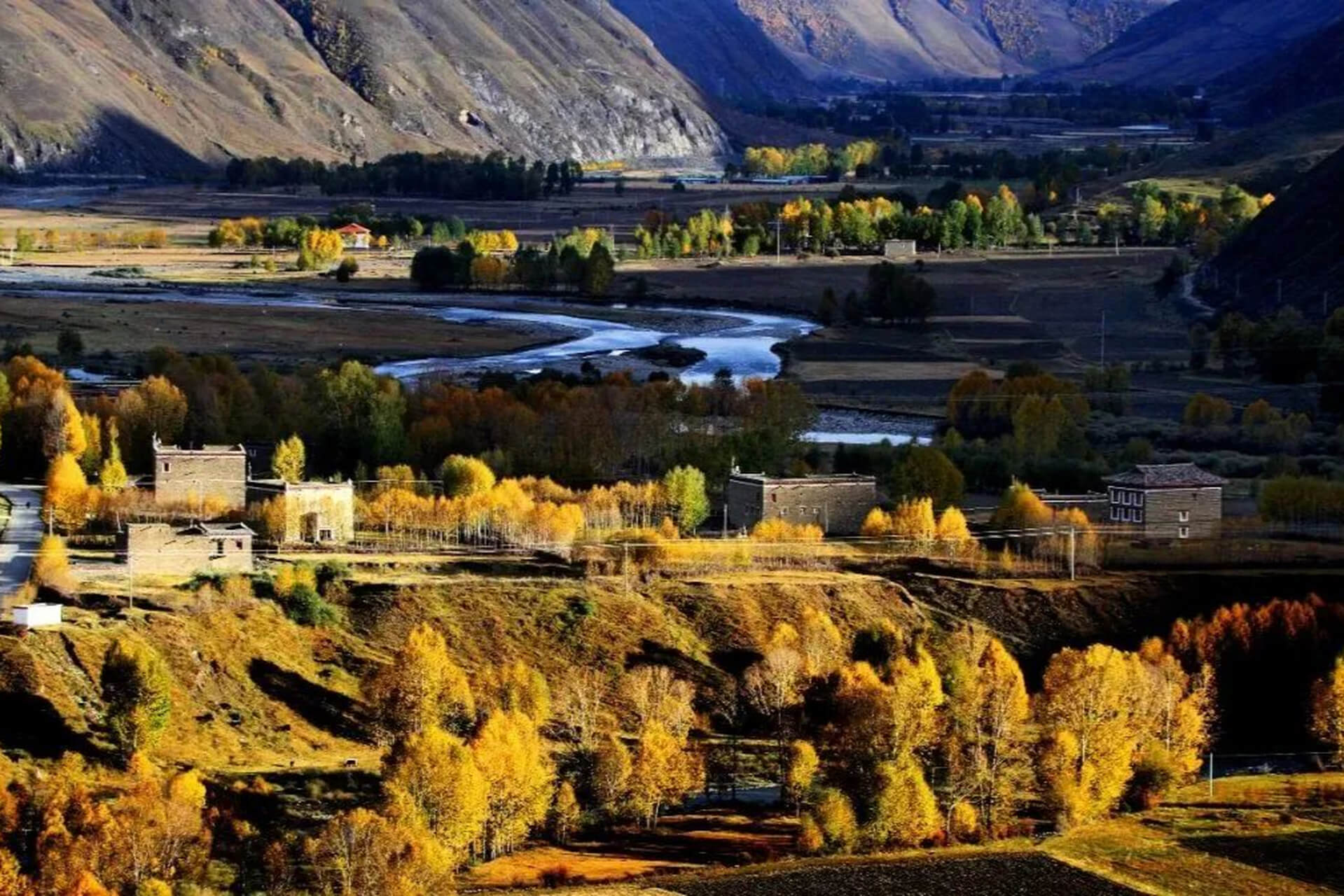
  • Autumn (September–October): Often favoured for clearer mountain views and autumn colour. Early starts help make the most of daylight.
  • Winter (November–March): Snow-covered scenery and fewer visitors, but colder temperatures, icy roads and restricted or altered access may affect plans.

Always check the local forecast and scenic-area notices close to your travel date.

Altitude, weather and safety

Mount Siguniang is a high-altitude destination. The valleys and surrounding settlements sit well above the elevation of Chengdu, and hiking routes climb higher still. Altitude affects people differently, and physical fitness does not guarantee protection from altitude illness.

Plan conservatively: Build in time to acclimatize, avoid strenuous exercise immediately after arriving, walk at a steady pace, stay hydrated and do not continue ascending if you develop symptoms that may indicate altitude illness.
  • Allow time to adjust before attempting long or strenuous hikes.
  • Headache, nausea, dizziness, unusual fatigue and loss of appetite can be warning symptoms.
  • Severe breathlessness at rest, confusion, difficulty walking straight or rapidly worsening symptoms require urgent medical attention and descent.
  • Bring warm layers, rain protection, sun protection, suitable footwear and enough water and snacks.
  • Do not hike alone on remote routes. Check permits, guide requirements, trail status and emergency arrangements.

For a broader explanation of acclimatization and warning signs, read the Sichuan Altitude Guide →.

How to get to Mount Siguniang

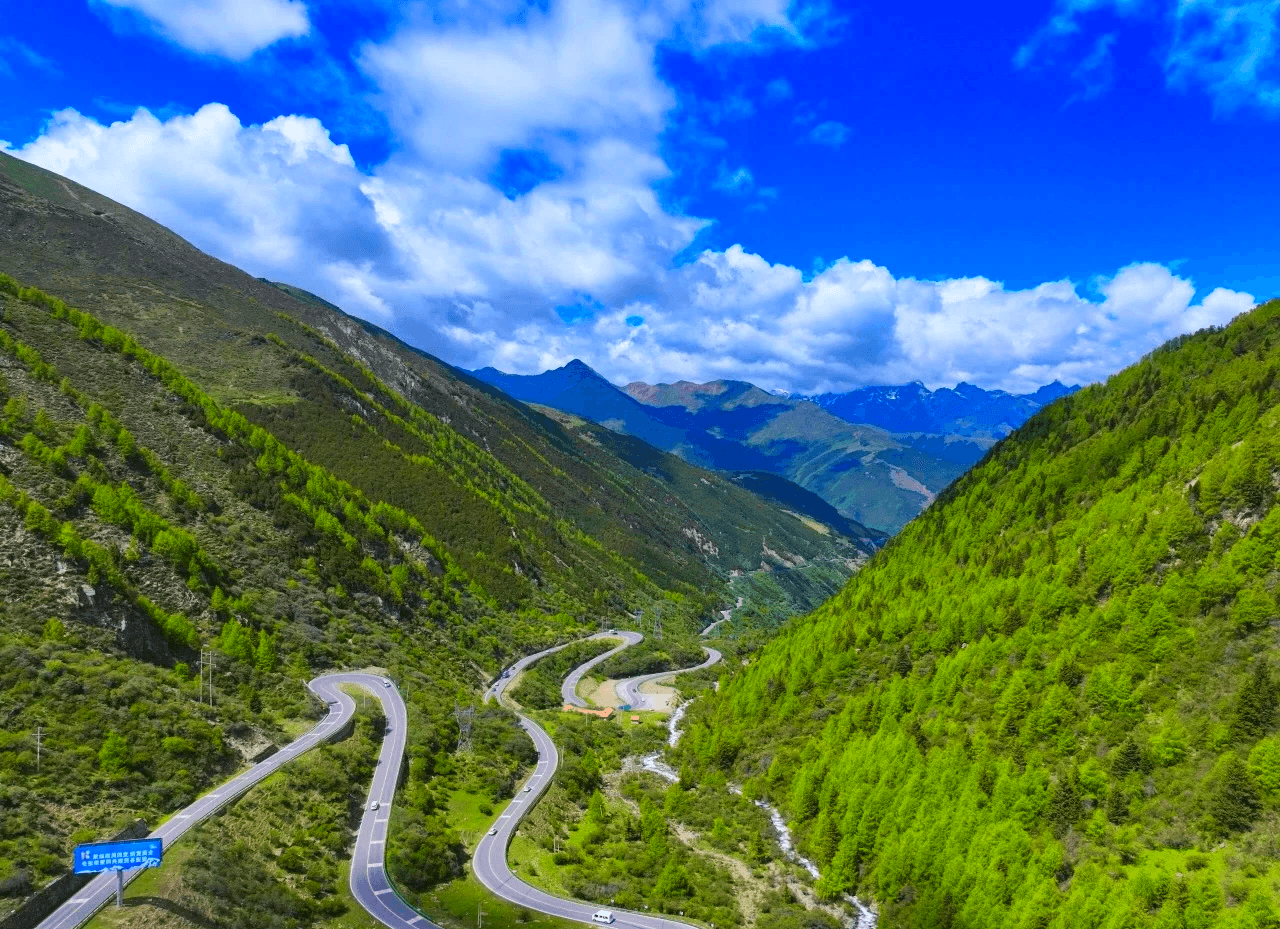
Mount Siguniang is commonly reached by road from Chengdu, usually via the Wolong and Balang Mountain area toward Rilong (also known as Siguniangshan Town). The journey is scenic but involves mountain roads, bends and substantial elevation changes.

From Chengdu

Private car, hired driver and organized tour are common options. A road journey often takes several hours, so an early departure is sensible. Avoid planning a tight same-day return if you also want to explore a valley.

By public transport

Transport services and transfer arrangements can change by season. Check current departures and connections before relying on buses; a transfer from a nearby transport hub may be needed.

Where to stay

Rilong / Siguniangshan Town is the usual base for visiting the valleys. Staying overnight helps avoid a rushed day trip and gives you more flexibility if weather or road conditions change.

Mountain road and snowy peaks

Mount Siguniang FAQs

Is Twin Bridge Valley suitable for first-time visitors?

Yes. Its sightseeing-bus system and accessible stops make it the most convenient valley for many first-time visitors. There is still walking involved, and altitude can affect even visitors who do not hike far.

Which is better: Twin Bridge Valley or Changping Valley?

Twin Bridge Valley is better for convenient sightseeing and a broad range of scenery with less continuous walking. Changping Valley is a better fit if you want a more walking-focused mountain experience.

Is Mount Siguniang suitable for beginners?

Beginners can enjoy the sightseeing areas of Twin Bridge Valley, but longer routes in Changping or Haizi Valley require more preparation. Choose a route based on altitude tolerance, fitness, weather and current trail conditions.

How many days should I spend at Mount Siguniang?

One full day can work for Twin Bridge Valley alone. Two or more days are preferable if you want to explore multiple valleys, hike at a relaxed pace or allow flexibility for weather.

Can I visit Mount Siguniang as a day trip from Chengdu?

It is possible as a long road day, but the drive is several hours each way and leaves limited time for the scenic area. An overnight stay in Siguniangshan Town is a more comfortable option for most travellers.

Continue planning your Western Sichuan trip

Mount Siguniang can be combined with other destinations in Western Sichuan, but road distances, altitude changes and weather should shape the route. Use these guides to plan the wider journey without rushing the mountain visit.